- Client-centered care
- Skill-based tools
- Values and meaning
About Albert
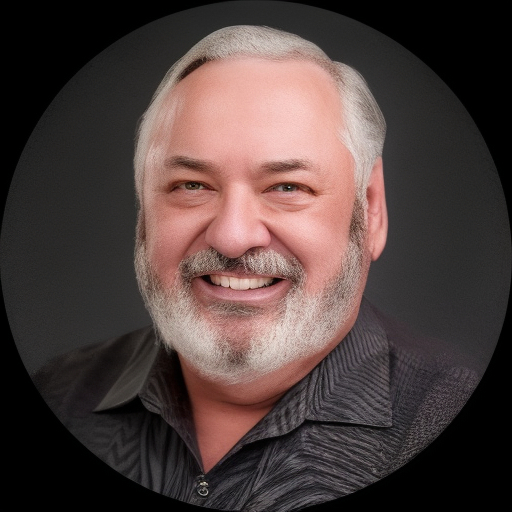
Albert Staley is a Licensed Mental Health Counselor (LMHC) who centers sessions on the person in front of him. He uses clear, straightforward conversation to help clients cope with stress, anxiety, relationship concerns, grief, and codependency. Albert writes and talks in simple terms so people can make sense of what feels confusing or overwhelming.
He draws on several practical approaches to therapy, including client-centered work, cognitive behavioral techniques, dialectical behavior therapy skills, and emotionally-focused methods. That mix helps him offer both short-term tools and deeper reflection about values and meaning. Albert also brings perspectives from existential therapy when people want to talk about purpose and life direction.
With four years as an LMHC and long experience as a minister and teacher, he combines talking, Socratic questioning, and concrete skills practice. Sessions often include thought-challenging, emotion regulation skills, and focused discussion about relationship patterns. Albert aims to help people spot habits that cause pain and try new choices in daily life.
He is based in Washington and conducts work in English. The approach is collaborative and down-to-earth, with attention to each person’s goals and concerns. Readers who want to begin can complete the site’s matching questionnaire and schedule according to therapist availability.
Albert respects different religious and spiritual perspectives and can explore spiritual or existential questions when a client wishes. He frames that exploration as optional and guided by the client, not imposed, and balances it with evidence-informed therapeutic tools.
How these approaches translate to online work
Client-Centered Therapy focuses on listening closely and following the client’s lead. In online sessions this looks like open questions, reflection, and space for the client to set priorities, which can help with relationship and self-esteem concerns. Cognitive Behavioral Therapy (CBT) involves identifying unhelpful thoughts and testing new behaviors. Online CBT often uses brief exercises, homework, and clear step-by-step plans to reduce anxiety, depression, and codependent patterns. Dialectical Behavior Therapy (DBT) teaches emotion regulation, distress tolerance, and interpersonal effectiveness skills. Delivered virtually, DBT skills practice can help people manage strong feelings and improve communication during daily life.Finding the right approach is part of the work. The therapist will collaborate with the client to choose which methods to start with and adjust them based on goals and preferences. Sessions combine talk, practical skills, and reflection so the plan fits the person rather than forcing a single method.
Session formats are not specified here, so confirm current options before booking. Many people find online sessions helpful because they can fit therapy into a busy day, reduce travel time, and use shorter check-ins when needed. Online work also makes it easier to practice real-world skills between meetings and bring examples from daily life directly into sessions.
Areas of expertise
Primary focus
Also works with
Additional focus areas
Therapeutic approaches
Experience
4+ years
Credentials
Washington
Languages
English
Frequently asked questions
What concerns does Albert help address?
He works with stress, anxiety, depression, relationship and intimacy issues, trauma and abuse, addiction-related concerns, grief, parenting challenges, anger, and coping with life changes, among other topics.
What is his therapeutic style like?
Sessions blend client-centered listening with practical techniques from cognitive behavioral and dialectical approaches and emotionally-focused methods to help with emotion regulation and relationship patterns.
What experience does he bring to therapy?
He holds four years as a licensed mental health counselor and decades of experience as a minister and teacher working with people navigating spiritual and existential questions.
Where is he licensed and located?
He is a Licensed Mental Health Counselor (LMHC) with a Washington license and practices from that state.
Which languages are supported for sessions?
Sessions are offered in English.
Can people outside the U.S. work with him?
International clients are not currently accepted.
How are session costs handled?
Cost varies with location and therapist availability and uses a subscription that can be canceled at any time.
How do I begin a therapy relationship?
Click the Start Therapy button, complete a short matching questionnaire, and then schedule sessions according to therapist availability.
Profile details come from information the therapist supplied to BetterHelp. Credential and registration rules differ between the United States, the United Kingdom and Australia.