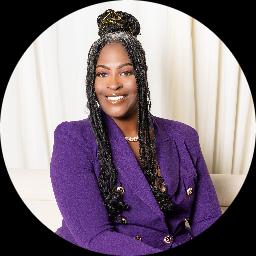
- Warm collaborative style
- Practical skill building
- Focus on relationships
About Amargo
Amargo Crenshaw, LPC, brings 20 years of clinical work to sessions and focuses on helping people navigate stress, anxiety, addiction, relationship strain, grief, and codependency. She opens appointments with a warm, invitational tone and aims to build a practical partnership with each person. Amargo centers the relationship on respect and clear, real-world goals to make therapy feel manageable.
Her background spans trauma and abuse, mood disorders such as bipolar and depression, and substance-related concerns. She draws on approaches like Cognitive Behavioral Therapy and Mindfulness Therapy to help people notice unhelpful thoughts, learn coping skills, and manage strong emotions. Motivational Interviewing is used to support change when people feel stuck or ambivalent.
Sessions move at a steady, problem-solving pace. Amargo helps people set short-term goals and develop day-to-day strategies for coping and decision making. She also pays attention to family of origin issues, attachment and abandonment themes, and patterns that show up in relationships and intimacy.
People can expect a mix of skills practice, focused conversation, and steps to try between sessions. Amargo often uses solution-focused techniques to identify small, practical shifts that make life easier. She also creates space to process grief and trauma when that is needed.
Amargo works in Georgia and offers services in English. She welcomes international clients and brings two decades of experience to collaborative care that’s paced around each person’s needs and goals.
How Amargo Uses Therapy Approaches Online
Amargo draws on Cognitive Behavioral Therapy to help people notice and change unhelpful thoughts and behaviors, often using short exercises and homework to practice new ways of responding. Mindfulness Therapy appears in sessions as simple attention and breathing practices to reduce reactivity and improve emotional awareness. Motivational Interviewing is used to support people who feel stuck, helping them name their own reasons for change and build commitment.Choosing the right approach is a collaborative process. The therapist will talk with each person about problems, goals, and preferences, and then suggest a mix of methods to try. Progress is checked regularly so the plan can be adjusted when needed.
The original profile lists messaging, phone, and video options; please confirm which formats are currently offered before booking. Online work can make it easier to fit sessions into a busy schedule, allow shorter check-ins when needed, and remove travel time. It also supports continuing therapy when life circumstances make in-person meetings difficult, while keeping the focus on practical skills and step-by-step change.
Areas of expertise
Primary focus
Also works with
Additional focus areas
Therapeutic approaches
Experience
20+ years
Credentials
Georgia
Languages
English
Frequently asked questions
What kinds of problems does she address?
She helps people with stress, anxiety, depression, trauma and abuse, addiction concerns, relationship and family issues, grief, intimacy-related struggles, parenting challenges, and codependency.
What is her therapeutic style like?
Her style is warm and goal-oriented. Expect practical skills, guided conversation, and steps to try between sessions.
How long has she practiced clinically?
She has 20 years of experience working with a range of concerns including mood disorders, trauma, and substance-related issues.
What credentials and location are listed?
She holds an LPC credential and practices in Georgia.
Which languages are supported for sessions?
Sessions are offered in English and international clients are accepted.
What session formats are used?
The original profile lists messaging, phone, and video as formats; confirm current session options before booking.
How are fees handled?
Cost varies with location and therapist availability; sessions use a subscription that can be canceled at any time.
How do I begin working with her?
Choose the Start Therapy button, complete a short matching questionnaire, and schedule according to the therapist's availability.
Profile details come from information the therapist supplied to BetterHelp. Credential and registration rules differ between the United States, the United Kingdom and Australia.