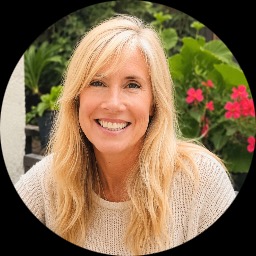
- Calm direct approach
- Practical tools
- 30 years experience
About Amy
Amy Shafer is a Licensed Clinical Social Worker who brings three decades of hands-on experience to sessions. She blends practical approaches with a calm, direct style to help people manage stress, anxiety, grief, and codependency. Amy focuses on meeting people where they are and helping them find clearer ways forward.
Amy completed a Master of Social Work from San Diego State University in 1991 and has held a California LCSW since 1994. Her earlier studies include degrees in Psychology and Human Development from California Polytechnic State University, San Luis Obispo. Those training years led into a long career across many settings and client needs.
In recent years she has concentrated on adult and geriatric work, addressing depression, family conflict, trauma and loss, and the challenges that come with life transitions. She draws on several therapeutic styles to match each person’s situation rather than using one fixed method. Sessions emphasize practical tools, clearer communication, and steps to reduce persistent worry or overwhelm.
Amy also helps people navigate chronic illness, caregiver stress, relationship patterns, and intimacy-related concerns. She uses strategies that support coping, increase emotional awareness, and rebuild a sense of control after difficult experiences. The goal is to help people make manageable changes that fit their daily life.
People who come to Amy can expect a straightforward approach that combines listening with concrete techniques. She aims to be a steady ally while clients work through family of origin issues, substance-related concerns, or the emotional effects of aging and loss.
How her approaches shape online care
Amy uses Acceptance and Commitment Therapy and Client-Centered Therapy in ways that translate well to an online setting. ACT helps people notice difficult thoughts and feelings while choosing actions that match their values; it is useful for anxiety, avoidance, and codependency patterns. Client-Centered Therapy emphasizes listening, empathy, and building a strong working relationship to support emotional healing and clearer decision making.Finding the right approach is part of the work together. Amy will help clients decide which methods fit their goals and preferences and will adjust the plan as needs change. This is a collaborative process focused on practical steps and improving daily functioning.
The profile does not list specific session formats, so confirm current options before booking. Online therapy can make it easier to fit sessions into a busy life, reduce travel time, allow shorter check-ins when schedules are tight, or avoid being on camera when that feels better. Licensed professionals often use these conveniences to help therapy become a regular, manageable part of day-to-day life.
Areas of expertise
Also works with
Additional focus areas
Therapeutic approaches
Experience
30+ years
Credentials
California
Languages
English
Frequently asked questions
What concerns does Amy commonly address?
Amy works with stress, anxiety, depression, grief, relationship and family difficulties, trauma and abuse, codependency, addictions, and related issues such as chronic illness and caregiver stress.
What is her therapeutic style like?
She uses a mix of approaches including Acceptance and Commitment Therapy, Client-Centered methods, Cognitive Behavioral Therapy, Emotionally-Focused Therapy, and mindfulness practices to match each person's needs.
How much experience does she have?
Amy has practiced for about 30 years and has worked across many settings and age groups, most recently focusing on adults and geriatric concerns.
What are her credentials and where is she based?
She is a Licensed Clinical Social Worker - LCSW - licensed in California and practices from that state.
Which languages are sessions offered in?
Sessions are offered in English.
Can international clients work with her?
International clients are not currently accepted.
How are session formats arranged?
Please confirm current session options before booking, as the biography does not specify formats; check the booking flow for the formats offered at the time you schedule.
How does payment and getting started work?
Costs vary with location and therapist availability and sessions use a subscription that can be canceled at any time. To begin, select the Start Therapy button, complete the short matching questionnaire, and schedule according to therapist availability.
Profile details come from information the therapist supplied to BetterHelp. Credential and registration rules differ between the United States, the United Kingdom and Australia.