- Client-centered care
- Practical skills
- Assessment available
About Annie
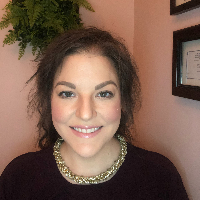
Dr. Annie Phillips greets people with a calm, steady approach. She focuses on helping people handle stress, anxiety, relationship strain, and codependency. Her style aims to make the therapy room feel like a place to talk honestly and work toward real goals.
She uses a client-centered way of working, which means she shapes sessions around each person's needs. That can include practical skill-building from cognitive behavioral therapy and acceptance-focused tools from Acceptance and Commitment Therapy. Conversations are direct and down-to-earth, with attention to emotions and everyday coping strategies.
With 15 years of experience, she has worked with a wide age range and many life stages. That background informs how she tailors sessions for things like career stress, grief, trauma, or challenges with intimacy and self-esteem. She also brings experience assessing cognitive and emotional functioning when that information will help guide treatment.
People can expect a focus on clarity and collaboration. Goals are set together, and progress is reviewed as therapy continues. Dr. Phillips aims to help people leave sessions with practical steps they can try between meetings.
Her practice is based in Georgia and she holds the credential GA Psychologist PSY003556. Sessions are conducted in English and international clients are accepted. Before booking, readers should confirm current session options and scheduling details to match their needs.
Therapeutic approaches and online care
Acceptance and Commitment Therapy, or ACT, emphasizes noticing thoughts and feelings without getting stuck in them, then choosing actions that match personal values. It can help with anxiety, depression, and patterns like codependency by shifting focus toward meaningful steps. Cognitive Behavioral Therapy, or CBT, looks at how thoughts, feelings, and behaviors connect and uses practical exercises to change unhelpful patterns and build coping skills. Client-Centered Therapy centers the person in the room and prioritizes empathy and acceptance while working at the client’s pace.Finding the right approach is part of the work. The therapist will collaborate with each person to decide which methods fit their goals and comfort level. That process can include trying different techniques and checking in regularly to adjust the plan.
The biography does not list specific online session formats, so readers should confirm current options before booking. Online sessions can make it easier to fit therapy into a busy life by removing commute time and allowing meetings from varied locations. They also allow flexible scheduling for shorter check-ins or longer work-through sessions, helping people keep momentum between appointments.
Areas of expertise
Primary focus
Also works with
Additional focus areas
Therapeutic approaches
Experience
15+ years
Credentials
Georgia
Languages
English
Frequently asked questions
What concerns does she address?
She helps people with stress, anxiety, depression, relationship and intimacy issues, codependency, grief, trauma, addictions, and work-related strain.
What is her therapeutic style like?
Her work is client-centered and flexible, mixing talk therapy with practical exercises from CBT and acceptance-based methods as needed.
How much clinical experience does she have?
She has practiced for 15 years and has experience across different ages and life stages.
What are her credentials and location?
She is listed as GA Psychologist PSY003556 and her practice is based in Georgia.
Can I work with her if I live outside the United States?
International clients are accepted and sessions are offered in English.
What session formats are offered?
The original biography does not list specific session formats; please confirm current session options before booking.
How is cost handled?
Cost varies with location and therapist arrangements; sessions use a subscription that can be canceled at any time.
How do I get started?
Click the Start Therapy button, complete a short matching questionnaire, and schedule according to therapist availability.
Profile details come from information the therapist supplied to BetterHelp. Credential and registration rules differ between the United States, the United Kingdom and Australia.