- Client-centered approach
- Practical coping skills
- Multicultural focus
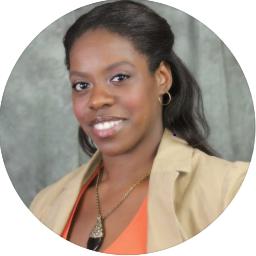
About Candiss
Candiss Williams is a Licensed Professional Counselor (LPC) based in Texas who focuses on everyday stress, anxiety, depression, and relationship concerns. She aims to make therapy direct and practical so people can see small changes that help them manage daily life.
She draws on eight years of counseling experience and more than 15 years in the social service field overall. That background includes school counseling, work in domestic abuse and substance abuse settings, crisis intervention, and work with the juvenile and adult criminal justice systems. This experience informs how she listens and responds to practical needs.
Candiss uses a mix of approaches rather than a single method. She commonly uses Cognitive Behavioral Therapy and Dialectical Behavior Therapy together with client-centered and solution-focused ideas. Mindfulness and motivational interviewing also appear in her work when they fit a client's goals.
She helps people address a wide range of concerns such as grief, trauma and abuse, parenting stress, codependency, anger, addictions, and issues related to identity and multicultural stress. She also supports people coping with life changes like divorce, career shifts, or mood disorders.
Candiss describes therapy as a collaborative effort. She introduces coping skills, teaches practical strategies, and adjusts the focus as needs change. People who prefer clear steps and tools to manage symptoms and improve daily functioning may find this approach useful.
How her approaches translate to online work
Cognitive Behavioral Therapy helps people notice unhelpful thoughts and change behaviors that keep problems going. It often involves setting small goals and trying new actions between sessions to see what works.Dialectical Behavior Therapy emphasizes skills for emotional regulation, distress tolerance, and clearer communication. It can be useful when strong emotions or impulsivity make daily life harder and when people want step-by-step tools.
Finding the right approach is part of the process. The therapist will talk with each person about goals and preferences and will adjust methods as needed. That collaborative process helps decide which techniques to prioritize over time.
Many people find online therapy helps fit sessions into busy schedules and makes regular check-ins easier. Depending on the service you use, confirm which session formats are offered before booking. Ask about options and choose what best fits your daily routine and technical setup so sessions are practical and consistent.
Areas of expertise
Primary focus
Also works with
Additional focus areas
Therapeutic approaches
Experience
8+ years
Credentials
Texas, Minnesota, Missouri
Languages
English
Frequently asked questions
What concerns does Candiss often help with?
She works with people dealing with stress, anxiety, depression, grief, trauma and abuse, parenting strain, relationship and communication problems, and codependency among other issues.
How would you describe her therapy style?
Sessions are practical and collaborative, using clear steps and coping skills. She combines client-centered listening with cognitive and behavioral tools to address symptoms and habits.
What kind of background does she bring to sessions?
Candiss has over 15 years in social services and eight years in clinical counseling work, including school counseling, domestic and substance abuse settings, and crisis intervention experience.
What are her professional credentials and where is she located?
She holds the LPC credential and practices in Texas as a Licensed Professional Counselor.
Which languages are supported for sessions?
Sessions are offered in English.
Can people outside the United States work with her?
She does not accept international clients at this time.
How are costs and billing handled?
Cost varies by location and therapist availability; sessions use a subscription that can be canceled at any time.
What are the first steps to begin working with her?
Use the Start Therapy button, complete a short matching questionnaire, and schedule according to therapist availability.
Profile details come from information the therapist supplied to BetterHelp. Credential and registration rules differ between the United States, the United Kingdom and Australia.