- Acceptance and action
- Emotion-focused work
- Mindful coping skills
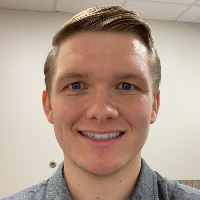
About Christopher
Christopher McKethan is a Licensed Independent Social Worker (LISW) practicing in South Carolina. He has five years of clinical experience and focuses on helping people manage stress, anxiety, depression, trauma, relationship and intimacy concerns, and identity-related issues. Christopher takes a direct, person-centered approach and centers sessions on where someone is right now.
He earned his degree from the University of South Carolina in 2016 and has worked across a range of clinical settings. That variety has given him experience with many different life stages and presenting problems, including clients facing severe and persistent mental illness through intensive community services. He also has experience supporting people with bipolar disorder, ADHD, grief, and codependency concerns.
Christopher mixes acceptance and commitment ideas, client-centered listening, cognitive tools, emotionally focused work, and mindfulness in sessions. He aims to tailor techniques to each person’s needs rather than following a single method. This creates a practical plan people can try between meetings.
Sessions often cover practical skills for coping with high-stress work environments, managing mood and anxiety, improving communication, and exploring sexual satisfaction or identity questions. He also supports people dealing with life transitions, adoption and foster care issues, body image, and chronic health challenges.
Christopher describes therapy as a collaborative process that asks for vulnerability and steady effort. He focuses on strengthening what already helps someone while encouraging new patterns that support greater personal freedom and confidence.
How these approaches guide online work
Acceptance and Commitment Therapy (ACT) helps people clarify what matters to them and take small, practical steps toward those values even when feelings are hard. It can be useful for anxiety, stress, and life transitions by focusing on actionable changes. Client-Centered Therapy prioritizes listening and empathy so people feel heard and understood; this approach helps people explore identity, self-esteem, and relationship concerns. Cognitive Behavioral Therapy (CBT) breaks down unhelpful thinking and behavior patterns into manageable parts and teaches skills for mood and anxiety management.Finding the right approach is part of the work. Christopher will collaborate about what methods feel useful and adjust plans based on the person's goals, preferences, and how they respond to different strategies. This keeps therapy flexible and focused on real-world change.
Confirm the available session formats before booking, as specific online options are not listed in the profile. Online work can make it easier to fit therapy into a busy life - sessions can be scheduled around work, reduce travel time, and allow for shorter check-ins when needed. Many people find that using acceptance, mindful exercises, and practical CBT tools translates well to remote sessions, and the therapist will recommend ways to practice skills between meetings.
Areas of expertise
Primary focus
Also works with
Additional focus areas
Therapeutic approaches
Experience
5+ years
Credentials
South Carolina
Languages
English
Frequently asked questions
What concerns does Christopher address?
He works with stress, anxiety, depression, trauma, relationship and intimacy issues, identity and LGBT concerns, bipolar disorder, ADHD, grief, and codependency among other areas.
How would you describe his therapy style?
He uses a personalized, interactive style that centers sessions on the client's current needs and goals, blending acceptance, cognitive tools, emotion-focused work, and mindfulness.
What background does he bring to sessions?
He graduated from the University of South Carolina in 2016 and has five years of clinical experience across multiple settings, including coordination of intensive community mental health services.
Where is he licensed and based?
He is a Licensed Independent Social Worker (LISW) practicing in South Carolina.
Which languages are supported for therapy?
Sessions are offered in English and international clients are accepted.
What session formats are available?
Please confirm current session options with the platform before booking, as the therapist's profile does not list specific formats.
How are fees and payment handled?
Costs vary with location and therapist availability; sessions use a subscription that can be canceled at any time.
How do I begin if I want to work with him?
Select the Start Therapy button, complete a short matching questionnaire, and schedule according to the therapist's availability.
Profile details come from information the therapist supplied to BetterHelp. Credential and registration rules differ between the United States, the United Kingdom and Australia.