- Psychodynamic focus
- CBT and solutions
- Trauma informed
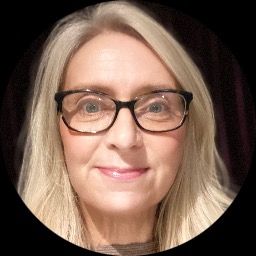
About Claire
Claire Owers is a counsellor and psychotherapist with four years' experience working with people facing stress, anxiety, depression and relationship strain. She holds BACP registration and aims to offer a warm, empathic space where people can be heard without judgement. Claire describes her style as compassionate and collaborative.
She often helps people who are struggling after trauma or abuse, coping with grief, or trying to make sense of life transitions. Claire also supports those dealing with long-term health challenges, caregiving strain, body image concerns, and issues around attachment or codependency. She works with people who are autistic or have related neurodiversity needs.
Her work is grounded in psychodynamic psychotherapy, which focuses on understanding present feelings and patterns and how these link to past experiences. She also draws on cognitive behavioural therapy, which looks at thoughts and behaviours, and on solution-focused techniques to help people identify practical steps forward. Claire describes herself as trauma-informed and shapes sessions around each person's needs.
Claire aims to build a trusting relationship where people can speak openly and try out new ways of coping. Sessions are collaborative; she listens and then helps people decide on goals and next steps. Her approach favours clarity and small, manageable changes that fit into everyday life.
She encourages anyone thinking about therapy to take their time selecting a counsellor. If Claire seems like a possible fit, she welcomes an initial conversation to see how to work together.
Approaches that shape online therapy
Psychodynamic therapy focuses on understanding how past experiences affect current feelings and behaviour, helping people make sense of recurring patterns. It can be useful for long-standing relationship issues and for learning more about the relationship you have with yourself.Cognitive behavioural therapy, or CBT, looks at links between thoughts, feelings and actions and offers practical strategies to change unhelpful patterns. It is often used for anxiety, depression and stress management.
Finding the right approach is part of the work. The therapist will discuss your aims, listen to your preferences and then try different ways of working together. Decisions about methods are collaborative and may change as therapy progresses.
Confirm the available session options before booking so you know how Claire currently runs sessions. Online work can make it easier to fit sessions around home and work commitments, reduce travel time and allow shorter check-ins when needed. It also gives scope to continue therapy during life transitions while keeping focus on practical steps and emotional understanding.
Areas of expertise
Primary focus
Additional focus areas
Therapeutic approaches
Experience
4+ years
Credentials
Listed on profile
Languages
English
Frequently asked questions
What concerns does Claire commonly help with?
She supports people with stress, anxiety, depression, relationship difficulties, trauma and abuse, and grief, among other issues such as codependency and attachment concerns.
What is her general counselling style?
Her style is warm, compassionate and collaborative, offering a non-judgemental space to talk and to set practical goals together.
How much experience does she have?
Claire has four years of clinical experience working with a range of concerns and client needs.
What credential does she hold and where is she based?
She is registered with the British Association for Counselling and Psychotherapy (BACP) and practises in the United Kingdom.
Which languages are sessions offered in?
Sessions are offered in English.
Can people from other countries book sessions?
International clients are not currently accepted; sessions are offered within the United Kingdom context.
How does cost and scheduling work?
Cost varies with location and therapist availability, and sessions use a subscription that can be cancelled at any time.
What are the steps to begin therapy?
Use the Start Therapy button, complete the short matching questionnaire, and then schedule according to the therapist's availability.
Profile details come from information the therapist supplied to BetterHelp. Credential and registration rules differ between the United States, the United Kingdom and Australia.