- Practical coping tools
- Values based work
- Emotion focused support
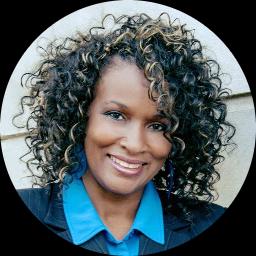
About Cynthia
Cynthia Wells is a licensed mental health counselor in Florida who helps people facing stress, anxiety, depression, grief, trauma, and bipolar mood challenges. She meets people where they are and focuses on clear, respectful conversations that move toward practical change. Cynthia emphasizes a warm, compassionate approach and tailors work to each person's needs.
She uses a mix of counseling methods to match what a person brings to sessions. That can mean helping someone notice unhelpful thoughts, practice new behaviors, or identify personal values to guide decisions. Cynthia also draws on emotion-focused work when relationships or attachment issues are central.
Her practice pays attention to life transitions and ongoing stressors, including parenting strain, caregiving demands, addiction concerns, and codependency patterns. Cynthia supports people who are coping with loss, overwhelm, or burnout and those wanting clearer boundaries and better communication.
With five years of clinical experience as a Florida licensed mental health counselor - LMHC - she aims for straightforward, doable steps rather than heavy theory. Sessions are collaborative; clients and Cynthia set goals together and adjust plans as they go.
People can expect direct but gentle guidance, practical tools to try between visits, and space to process hard feelings. She encourages gradual progress and helps clients build skills they can use in daily life.
How these approaches translate to online work
Acceptance and Commitment Therapy (ACT) helps people clarify what matters most and take small steps that match those values. Online ACT sessions often focus on noticing difficult thoughts and choosing actions that fit personal goals. Cognitive Behavioral Therapy (CBT) breaks problems into thoughts, feelings, and behaviors and teaches practical skills to shift those patterns. In remote sessions CBT can include short exercises, homework, and tracking progress between visits. Emotionally-Focused Therapy (EFT) concentrates on understanding and expressing feelings to improve connections and emotional regulation. When emotion work is needed, sessions may include guided reflection and skills for naming and responding to strong emotions.Finding the best approach is part of the work. The therapist will listen to a person’s concerns, goals, and preferences and then recommend approaches to try. This is a collaborative process and adjustments are made based on what proves helpful in real life.
The biography does not list specific session formats, so confirm current options before scheduling. Online therapy can make it easier to fit sessions into a busy life by removing travel time, allowing shorter check-ins when needed, and letting people meet from a quiet place of their choice. Licensed professionals can still use exercises, worksheets, and behavioral practice in remote appointments so progress is practical and measurable.
Areas of expertise
Primary focus
Also works with
Additional focus areas
Therapeutic approaches
Experience
5+ years
Credentials
Florida
Languages
English
Frequently asked questions
What issues does Cynthia address in therapy?
She helps people with stress, anxiety, depression, grief, trauma, bipolar mood concerns, addictions, relationship and parenting strain, codependency, and related challenges.
What is her therapeutic style like?
Cynthia blends collaborative conversation with practical tools. Sessions often include exploring emotions, identifying values, and trying specific skills between meetings.
How much clinical experience does she have?
She has five years of professional experience working with people facing mood, stress, and relational challenges.
What credentials and location are listed?
She is a Florida licensed mental health counselor, listed as LMHC, and practices out of Florida.
Which languages are supported for sessions?
Sessions are offered in English and she is open to working with international clients.
What formats are available for sessions?
The original biography does not specify session formats. Please confirm current session options before booking.
How are fees handled?
Cost varies with location and therapist availability; sessions use a subscription that can be canceled at any time.
How do I begin working with Cynthia?
Use the Start Therapy button, complete a short matching questionnaire, and schedule according to therapist availability.
Profile details come from information the therapist supplied to BetterHelp. Credential and registration rules differ between the United States, the United Kingdom and Australia.