- Addiction and recovery
- Anxiety and stress
- Relationship challenges
About David
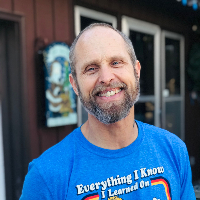
David Krych is a Licensed Clinical Social Worker (LCSW) based in Wisconsin. He brings nearly two decades of clinical experience and a personal understanding of recovery to sessions. He focuses on helping people who are dealing with addiction, anxiety, stress, or struggles around intimacy and relationships. His style is direct and down-to-earth, aimed at practical change rather than jargon.
He draws on a mix of approaches to match each person’s needs. Much of his work emphasizes client-centered care, where conversations start from the person’s goals and experiences. He also uses cognitive behavioral techniques to identify unhelpful thoughts and create new behavior patterns. Emotionally-focused ideas guide work on connection, attachment, and processing painful feelings.
Before focusing on addiction work, he spent many years helping adolescents who faced legal and placement challenges. That early experience shaped his patience with complicated family and origin issues. Later, personal recovery led him to concentrate on substance use and the many factors that contribute to it.
In sessions he prioritizes getting to know the person and their goals. He helps people use their own strengths and insights to build more peaceful, meaningful lives. He talks plainly about self-acceptance and compassion, and how those qualities support change.
People who choose him can expect practical conversations about what’s getting in the way and focused steps toward improvement. He aims to help people find routines and skills that fit their daily lives.
How his approaches translate to online therapy
Client-centered work keeps conversations focused on the person’s goals and feelings. Online sessions can still center on what matters to the client, with the therapist adapting pacing and questions to match each individual. This approach helps with issues like codependency, life purpose, and caregiver stress.Cognitive Behavioral Therapy (CBT) breaks problems into thoughts, feelings, and actions. In remote sessions, this often means practicing new ways of thinking between meetings and checking progress together. CBT is useful for anxiety, depression, and managing cravings or urges related to addiction.
Emotionally-Focused Therapy (EFT) helps people notice and shift patterns in close relationships. Online conversations can guide people to identify attachment needs and rehearse new responses when conflict or loneliness arises.
Finding the right approach is part of the work. The therapist will collaborate with the client to decide which ideas to use and will adjust based on goals and what feels helpful. That collaborative process is ongoing, not a one-time choice.
The biography does not list specific session formats, so confirm the available options before booking. Online work can make it easier to fit sessions into a busy life - for example shorter check-ins during a lunch break, or scheduling around childcare and work demands. It also lets people who live far from office-based services connect with licensed professionals without changing their daily routine.
Areas of expertise
Primary focus
Also works with
Additional focus areas
Therapeutic approaches
Experience
19+ years
Credentials
Wisconsin
Languages
English
Frequently asked questions
What concerns does he help with?
He works with a wide range of concerns including stress, anxiety, addictions, relationship and intimacy issues, parenting strains, trauma, grief, depression, anger, and codependency.
How would you describe his therapeutic style?
His approach is straightforward and client-centered. He listens to goals, uses cognitive behavioral ideas to shift unhelpful thinking, and applies emotionally-focused methods for connection work.
What is his background and experience?
He has 19 years as a clinician and previously spent time working with adolescents involved in the juvenile system. He also has personal experience in recovery that informs his work with addiction.
What credentials and location apply?
He holds a LCSW credential and practices from Wisconsin.
Which languages are supported and are international clients accepted?
Sessions are offered in English and international clients are accepted.
What session formats are offered?
The original biography does not list specific session formats; please confirm current session options before booking.
How does billing and cost work?
Cost varies with location and therapist availability, and sessions use a subscription that can be canceled at any time.
How do I begin working with him?
Start by selecting the Start Therapy button, complete a short matching questionnaire, and schedule a session according to therapist availability.
Profile details come from information the therapist supplied to BetterHelp. Credential and registration rules differ between the United States, the United Kingdom and Australia.