- Person-centered approach
- Practical coping tools
- Focus on relationships
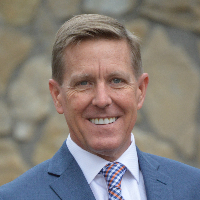
About David
David Yoder is a Licensed Professional Counselor (LPC) with six years of clinical experience. He centers his work on a person-centered approach and aims to make sessions feel natural and straightforward for people seeking change.
Most of his work has focused on fear-based struggles such as stress, anxiety, depression, addictions, and difficult transitions. He also helps with relationship issues, parenting strain, sleep problems, grief, bipolar and ADHD concerns, and questions about life purpose. Codependency and family of origin issues are among the additional areas he addresses.
David describes counseling as an art. He helps people name what they want to change and then develop a clearer picture of a different life. The session tone tends to be collaborative and grounded in the client’s experience rather than labels or boxes.
Alongside a person-centered stance, he draws on a range of approaches when useful. He may use cognitive behavioral techniques to address thinking patterns, dialectical behavior ideas for emotional regulation, or hypnotherapy and existential conversations to explore meaning and values. He does not present any single method as a guaranteed fix but offers tools that fit the person’s goals.
People can expect straightforward conversation and practical ideas to try between meetings. David works in Missouri and conducts sessions in English. To begin, prospective clients follow the site's Start Therapy process and schedule based on availability.
How client-centered and skills-based approaches work online
David uses a person-centered foundation that focuses on the client's perspective and goals. In practice this means the therapist listens carefully, reflects what the person says, and helps the person shape practical next steps. This approach helps people who feel stuck, unsure, or overwhelmed by change.Cognitive Behavioral Therapy, or CBT, is often used to identify unhelpful thinking and try small experiments to change behavior. It can be useful for anxiety, depression, sleep problems, and many stress-related concerns. Dialectical Behavior Therapy, or DBT, offers concrete skills for managing intense emotions and improving daily coping, which can help with impulsivity, anger, and relationship tensions.
Choosing the right approach is a collaborative process. The therapist will talk with the client about goals, try things that fit the person, and adjust methods over time. This helps make sure tools match the client's needs and preferences rather than imposing a single path.
Because the biography does not specify session formats, confirm available options before booking. Online work can make it easier to fit sessions into a busy week, allow shorter check-ins when needed, and reduce travel time. Licensed professionals often use these conveniences to help therapy fit into everyday life while focusing on practical change.
Areas of expertise
Primary focus
Also works with
Additional focus areas
Therapeutic approaches
Experience
6+ years
Credentials
Missouri
Languages
English
Frequently asked questions
What kinds of problems does this counselor help with?
He works with common concerns like stress, anxiety, depression, addiction, relationship strain, grief, sleep issues, parenting stress, bipolar and ADHD-related challenges, and codependency.
How would you describe his therapeutic style?
He uses a person-centered approach that keeps the client's experience central and adds practical tools from CBT, DBT, hypnotherapy, and existential ideas when helpful.
What is his background and experience level?
He has six years of experience as a Licensed Professional Counselor and has focused much of his work on fear-based struggles and life transitions.
Where is he licensed and practicing?
He holds an LPC credential in Missouri and conducts sessions from that location.
Can I work with him if I live in another country?
Sessions are offered in English and he does not take international clients at this time.
What session formats are offered?
Please confirm current session options before booking, as the biography does not specify which formats are provided.
How are session costs handled?
Cost varies with location and therapist scheduling; sessions use a subscription that can be canceled at any time.
How do I begin working with him?
Use the Start Therapy button, complete a short matching questionnaire, and then schedule sessions according to the therapist's availability.
Profile details come from information the therapist supplied to BetterHelp. Credential and registration rules differ between the United States, the United Kingdom and Australia.