- CBT focused strategies
- Practical skill building
- Experience with trauma
About Dianne
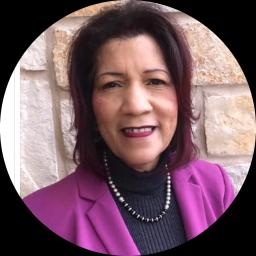
Dianne Dabney is a Licensed Professional Counselor (LPC) who helps people facing stress, anxiety, relationship struggles, anger, depression, and codependency. She speaks plainly and focuses on practical ways to handle life's hard moments. Her approach aims to break down problems into steps people can use right away.
With five years of experience, Dianne leans on Cognitive Behavioral Therapy to help clients notice and change unhelpful thoughts and behaviors. She draws from a mix of methods to match what each person needs rather than using a single technique for everyone. That practical blend includes strategies to manage mood, cope with grief, and address addictive or compulsive patterns.
Dianne also brings work with parenting concerns, caregiving strain, intimacy issues, and trauma into sessions. She emphasizes teaching skills people can practice between meetings, like managing strong emotions and improving communication. Sessions often focus on real-life situations and concrete steps for change.
Clients can expect a direct but compassionate style that balances support with action. Dianne has experience with adults across different life stages and applies tools meant to be useful in everyday life. Her background in clinical mental health guides how she structures treatment and sets goals with each person.
People who want clear strategies for coping, rebuilding trust, or gaining emotional skills may find her approach helpful. Prospective clients should review session options and scheduling details before booking to confirm what formats are offered.
How therapeutic approaches shape online work
Client-Centered Therapy focuses on listening, empathy, and helping people set their own goals; it is useful when someone needs a supportive space to sort out feelings and priorities. Cognitive Behavioral Therapy (CBT) looks at the links between thoughts, feelings, and actions and offers clear exercises to change unhelpful patterns, which helps with anxiety, depression, and anger. Dialectical Behavior Therapy (DBT) teaches emotion regulation, distress tolerance, and interpersonal skills that can be helpful for intense moods and relationship stresses.Choosing the right approach is part of the process. The therapist will work collaboratively to identify which methods fit a person's concerns, goals, and preferences. Expectations and techniques are adjusted over time so clients can test what helps and refine the plan together.
Session formats are not listed in the biography, so confirm current options before booking. Online therapy can make it easier to fit sessions into a busy life, for example by reducing travel time, allowing shorter check-ins, or making it simpler to schedule around work or caregiving responsibilities. Licensed professionals can use a mix of skill teaching, real-time practice, and homework assignments effectively in remote settings to help clients build lasting changes.
Areas of expertise
Primary focus
Also works with
Additional focus areas
Therapeutic approaches
Experience
5+ years
Credentials
Texas
Languages
English
Frequently asked questions
What concerns does she commonly address?
Dianne works with a wide range of issues including stress, anxiety, depression, relationship and intimacy problems, grief, trauma and abuse, addictions, parenting strain, codependency, and ADHD.
How would you describe her therapeutic style?
She uses a practical, client-centered style that emphasizes Cognitive Behavioral Therapy alongside other approaches to teach coping skills and behavioral changes.
What is her professional background?
She has five years of clinical experience and applies evidence-based counseling tools to help people manage life challenges and emotional difficulties.
Where is she licensed and based?
She holds the LPC credential and practices in Texas.
Which languages are sessions offered in?
Sessions are offered in English.
Can people outside the United States work with her?
International clients are not currently accepted.
How are session fees handled?
Cost varies with location and therapist scheduling; sessions use a subscription that can be canceled at any time.
What are the first steps to start working together?
Use the Start Therapy button, complete the short matching questionnaire, and then schedule according to the therapist's availability.
Profile details come from information the therapist supplied to BetterHelp. Credential and registration rules differ between the United States, the United Kingdom and Australia.