- Practical coping tools
- Values-focused work
- Skills for emotion regulation
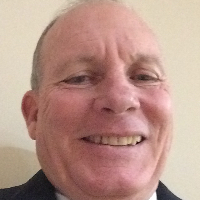
About Donald
Donald McRae is a Licensed Professional Counselor (LPC) and a Licensed Clinical Mental Health Counselor (LCMHC) based in North Carolina. He has 25 years of experience helping people with stress, anxiety, depression, addiction, relationship problems, grief, trauma, sleep troubles, parenting strain, and codependency. He approaches sessions with a calm, steady manner and aims to help people take practical steps toward feeling better.
Across his career, he has worked in community mental health clinics, on military bases, and with nonprofit agencies. He has led therapy groups and provided individual care, drawing on many years of hands-on practice. His background includes focused work with caregivers, aging concerns, workplace stress, and veterans’ issues.
His clinical work draws on several approaches. He uses Cognitive Behavioral Therapy to notice and change unhelpful thinking and behavior. Dialectical Behavior Therapy skills help with emotion regulation and managing intense responses. Acceptance and Commitment Therapy and mindfulness practices support staying present and acting on values.
Sessions are collaborative and straightforward. He listens, offers clear tools, and helps set small goals people can try between meetings. He emphasizes practical strategies for coping with life changes, rebuilding relationships, and reducing overwhelm.
Donald treats complex concerns such as bipolar mood challenges, compassion fatigue, ADHD-related struggles, and intimacy issues. He aims to meet people where they are and work at a pace they can manage. If someone wants a direct, experienced counselor who focuses on real changes, he can be a practical option.
How his approaches shape online therapy
Acceptance and Commitment Therapy (ACT) focuses on clarifying what matters to a client and taking small actions in that direction while learning to live with difficult thoughts and feelings. It can help when people feel stuck, overwhelmed, or unsure about next steps. Cognitive Behavioral Therapy (CBT) helps people notice patterns of thinking and behavior that make problems worse, and then practice new, more helpful ways of responding. CBT is often used for anxiety, depression, and sleep difficulties. Dialectical Behavior Therapy (DBT) emphasizes concrete skills for managing strong emotions, improving relationships, and reducing impulsive reactions, which can be useful for anger, intense stress, and relationship struggles.Finding the right approach is a collaborative process. The therapist works with each person to match methods to their goals and preferences. Together they try tools, check what helps, and adjust the plan as needed rather than assuming one approach will fit every problem.
The biography does not list specific online formats, so confirm current session options before booking. In general, online work can make it easier to fit therapy into a busy life - for example, by reducing travel time, allowing shorter check-ins during a workday, or accommodating people who prefer not to be on camera. Licensed professionals can use ACT, CBT, and DBT skills in remote sessions to teach coping techniques, set goals, and practice real-life changes.
Areas of expertise
Primary focus
Also works with
Additional focus areas
Therapeutic approaches
Experience
25+ years
Credentials
South Carolina, North Carolina
Languages
English
Frequently asked questions
What issues does he help with?
He supports people facing stress, anxiety, depression, addictions, relationship strain, grief, trauma, sleep problems, parenting stress, and codependency among other concerns.
How would you describe his therapy style?
He uses a direct, collaborative style that focuses on practical steps and skills. Sessions often include goal setting and techniques to try between meetings.
What is his background and experience?
He has 25 years of clinical experience working in mental health clinics, on military bases, and with nonprofit agencies, offering both group and individual therapy.
What credentials and region are listed?
He holds LPC (Licensed Professional Counselor) and LCMHC (Licensed Clinical Mental Health Counselor) credentials and practices in North Carolina.
Which languages are supported and can he see international clients?
Sessions are offered in English. He is not currently accepting international clients.
What session formats are available?
The original biography does not specify session formats. Confirm current session options with the provider before booking.
How much do sessions cost?
Cost varies with location and therapist availability; sessions use a subscription that can be canceled at any time.
How do I begin working with him?
Start by selecting the Start Therapy button, completing a short matching questionnaire, and then scheduling according to therapist availability.
Profile details come from information the therapist supplied to BetterHelp. Credential and registration rules differ between the United States, the United Kingdom and Australia.