- Client-centered care
- Practical skills
- Trauma-aware approach
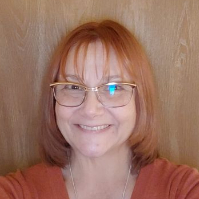
About Elizabeth
Elizabeth Cali is a licensed clinical social worker with twenty years of experience helping people through hard moments. She works with individuals facing anxiety, depression, grief, trauma, and addiction-related challenges. Elizabeth also supports people dealing with communication struggles, panic attacks, codependency, and family of origin issues.
Her style is straightforward and compassionate. She creates a space where people can talk about what matters most and start to make small changes that add up. Sessions focus on understanding patterns, building coping skills, and finding realistic next steps.
Elizabeth draws on practical tools from cognitive behavioral therapy and solution-focused work to tackle immediate problems. She also uses client-centered and mindfulness approaches to slow down difficult reactions and strengthen self-awareness. Motivational interviewing helps when people feel stuck or unsure about change.
Over two decades in practice, she has supported people through domestic violence recovery, substance concerns, panic disorder, and post-traumatic stress. That experience informs a steady, trauma-aware way of working that keeps the client’s pace in mind.
Clients in New York can expect clear explanations and collaborative planning. Elizabeth explains options, checks in about progress, and adjusts the plan as needs shift. People leave sessions with concrete steps to try between meetings, not just ideas to think about.
How Elizabeth’s approaches translate to remote care
Elizabeth uses client-centered therapy to prioritize each person’s goals and pace, creating space to talk through what matters and what feels hard. Cognitive behavioral therapy is used to identify unhelpful thinking and try small experiments to change behavior and mood. Mindfulness therapy helps people notice stress reactions and learn simple practices to reduce reactivity.Deciding which approach to use is a collaborative process. The therapist will work with the client to match methods to their needs, goals, and preferences rather than applying a single technique. Clients can expect regular check-ins and adjustments so the plan stays useful over time.
Confirm current session options before booking, as formats are not specified here. Online work can make it easier to fit therapy into a busy week, shorten check-ins when needed, and reduce travel time. It can also allow for different session rhythms, such as more frequent brief check-ins or longer deep-dive meetings, depending on what the client and therapist agree will be most helpful.
Areas of expertise
Also works with
Additional focus areas
Therapeutic approaches
Experience
20+ years
Credentials
New York
Languages
English
Frequently asked questions
What concerns does she commonly address?
She helps people with stress, anxiety, depression, grief, trauma, and addiction-related issues, plus relationship and family of origin difficulties.
How would you describe her therapeutic style?
Her style is compassionate and straightforward, combining listening with practical tools to build coping skills and set small achievable goals.
What is her professional background?
She has twenty years of clinical experience working with issues such as panic disorder, post-traumatic stress, domestic violence recovery, and codependency.
What credentials and location apply to this therapist?
She is an LCSW licensed in New York and practices out of New York.
Which languages are supported for sessions?
Sessions are offered in English.
Are international clients accepted?
International clients are not currently accepted.
How are fees and payment handled?
Cost varies with location and therapist availability; sessions use a subscription model that can be canceled at any time.
How do I begin working with her?
Use the Start Therapy button, complete a short matching questionnaire, and schedule a session according to therapist availability.
Profile details come from information the therapist supplied to BetterHelp. Credential and registration rules differ between the United States, the United Kingdom and Australia.