- Person-centered care
- Trauma-informed work
- Skill-based strategies
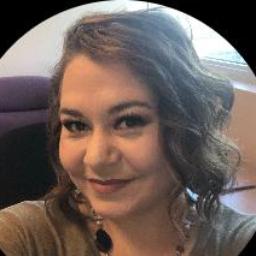
About Elizabeth
Elizabeth Meyer is a Licensed Clinical Social Worker (LCSW) based in North Dakota. She focuses on helping people who are dealing with stress, anxiety, grief, and the effects of trauma. Her work also addresses self-esteem, coping with life changes, and concerns like codependency and attachment issues.
She uses a person-centered approach that highlights a client's strengths. Sessions are practical and collaborative, with clear steps to manage symptoms and improve day-to-day functioning. Elizabeth draws on methods from cognitive behavioral therapy and mindfulness to help people notice patterns and try new ways of responding.
Her background includes a Bachelor of Science in Social Work and a Master of Social Work from the University of North Dakota, along with minors in American Indian Studies and Chemical Dependency. She holds a North Dakota LCSW credential and brings five years of clinical experience to her practice.
Elizabeth also incorporates elements of dialectical behavior therapy and EMDR when appropriate for trauma-related concerns. She aims to create a steady, structured process for people who feel overwhelmed by anxiety, post-traumatic stress, or major life transitions.
The first sessions typically focus on understanding immediate needs and setting small, achievable goals. Over time she helps people build coping skills, increase self-compassion, and regain a sense of control in their daily lives.
How therapeutic approaches shape online work
Elizabeth uses client-centered therapy to focus on each person's goals and strengths, helping them feel heard and understood while deciding what to work on. Cognitive behavioral therapy (CBT) is used to identify unhelpful thoughts and try different behaviors to reduce anxiety and improve mood. Dialectical behavior therapy (DBT) brings clear, practical skills for managing intense emotions and improving communication.Finding the best approach is a collaborative process. The therapist will talk with the client about their needs, goals, and preferences, and then suggest which methods to try first. Plans can change as progress is made or as new priorities emerge.
Because session formats are not specified in the biography, confirm current session options before booking. Online work can make it easier to fit therapy into a busy life by reducing travel time and allowing sessions during breaks or from other locations. It can also let people choose shorter check-ins when needed or rely on audio-only contact if video is difficult. Licensed professionals can adapt these methods to online sessions so that practical skills, trauma-focused work, and emotion-regulation strategies translate into everyday routines.
Areas of expertise
Additional focus areas
Therapeutic approaches
Experience
5+ years
Credentials
North Dakota
Languages
English
Frequently asked questions
What concerns does Elizabeth often address?
She supports people facing stress, anxiety, grief, trauma and abuse, self-esteem struggles, and coping with life changes. Other focus areas include codependency, attachment issues, and isolation or loneliness.
What is her therapeutic style like?
Her approach is person-centered and strength-based. She blends practical skills from CBT and mindfulness with trauma-informed perspectives.
How much clinical experience does she have?
Elizabeth has five years of clinical experience working with a range of mood disorders, trauma-related symptoms, and co-occurring concerns.
What credentials and location are listed for this therapist?
She is an LCSW licensed in North Dakota and completed a B.S.S.W. and M.S.W. at the University of North Dakota.
Which languages are supported for sessions?
Sessions are offered in English.
Can people outside the U.S. work with this therapist?
She does not accept international clients at this time.
How is cost handled for sessions?
Cost varies with location and therapist availability; sessions use a subscription that can be canceled at any time.
What steps are involved in getting started?
Select the Start Therapy button, complete a short matching questionnaire, and then schedule according to therapist availability.
Profile details come from information the therapist supplied to BetterHelp. Credential and registration rules differ between the United States, the United Kingdom and Australia.