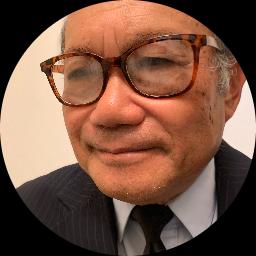
- 30 years experience
- Strengths based
- Values driven
About Eugene
Eugene Yamamoto is an LCSW who helps people manage stress, anxiety, low self-esteem, depression, and major life changes. He works with clients on motivation, confidence, and practical coping skills. His approach emphasizes each person's strengths and lived experience. He acknowledges that starting therapy takes courage and encourages people for taking that step.
With three decades of clinical experience, Eugene blends familiar therapy methods into straightforward sessions. He uses cognitive behavioral ideas to identify unhelpful thoughts and create small behavior changes. He also draws on acceptance and commitment approaches to help people clarify values and take meaningful action despite difficult feelings.
Attachment-based ideas inform how he looks at relationship patterns and how early bonds can shape current struggles. Client-centered principles guide how he listens and responds, keeping the client's goals central to the work. He aims to offer practical tools alongside space to talk through painful experiences.
Eugene's background in social work has exposed him to many life stages and challenges. He has spent years helping people cope with chronic illness, caregiving stress, abandonment and adoption issues, and relationship concerns like communication and control struggles. That breadth informs a flexible, results-focused style.
Sessions move at a steady, collaborative pace. Eugene helps people set short-term goals and tracks progress over time. He encourages a mix of skill practice, reflective conversation, and coaching to support change that lasts.
How therapeutic approaches translate to online work
Acceptance and Commitment Therapy (ACT) focuses on noticing hard thoughts and feelings while identifying personal values to guide actions. It can help with anxiety, low motivation, and decisions during life changes. Cognitive Behavioral Therapy (CBT) looks at the links between thoughts, feelings, and behavior and teaches concrete skills to reduce distress and change unhelpful patterns. It is often useful for anxiety, depression, and stress.Choosing the right approach is part of the work. Eugene will collaborate with each person to find the methods that match their goals and preferences. That means trying steps that feel doable and adjusting strategies based on what helps most.
The original biography does not list specific session formats, so confirm which online options are offered before booking. Many people find online sessions help fit therapy into busy schedules, reduce travel time, and allow shorter check-ins when needed. Online work can also make it easier to continue with therapy during transitions or when juggling caregiving and work responsibilities. Ask about available session types and scheduling when you sign up so sessions fit into your everyday life.
Areas of expertise
Primary focus
Additional focus areas
Therapeutic approaches
Experience
30+ years
Credentials
California
Languages
English
Frequently asked questions
What kinds of concerns does Eugene address?
He helps people with stress, anxiety, low self-esteem, depression, coping with life changes, and coaching. Additional focus areas include codependency, attachment issues, caregiving stress, body image, chronic illness, and communication problems.
What is his general therapy style?
His style is collaborative and straightforward, combining practical skills with reflective conversation. Sessions often include skill practice, goal setting, and talk therapy tailored to each person's needs.
How much clinical experience does he have?
He brings 30 years of professional experience as a licensed clinical social worker in California. That experience includes work across a range of life challenges and care settings.
What are his credentials and where is he based?
He holds an LCSW credential and practices in California. The profile uses the provided credential exactly as listed.
Which languages are supported for sessions?
Sessions are offered in English. International clients are accepted according to the provided information.
What session formats are available?
The original biography does not specify session formats, so confirm current session options before booking. Please check the platform or contact the service to see which formats are available.
How does cost and scheduling work?
Cost varies with location and therapist availability, and sessions use a subscription that can be canceled at any time. Exact fees and scheduling details should be reviewed during signup.
How do I begin working with him?
Select the Start Therapy button, complete a short matching questionnaire, and schedule according to therapist availability. That process connects you and sets the first appointment.
Profile details come from information the therapist supplied to BetterHelp. Credential and registration rules differ between the United States, the United Kingdom and Australia.