- Warm and respectful
- Skills focused
- Inclusive practice
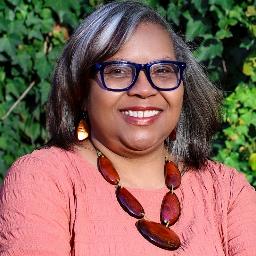
About Francine
Francine Owens, LCSW, helps people manage stress, anxiety, depression, bipolar symptoms, trauma, and codependency. She is based in Tennessee and brings nearly three decades of clinical experience to therapy. Her approach aims to help people notice unhelpful patterns and build steps toward more satisfying daily life.
Francine uses practical techniques to change long-standing behaviors and shift negative beliefs. Sessions are warm, respectful, and nonjudgmental. She listens closely to each person’s story and works at a pace that feels right for them.
Her clinical background includes a Master of Science in Social Work from the University of Tennessee Health Science Center in Memphis and many years in direct treatment settings. That experience shapes how she blends different methods to meet real needs in the room.
Therapy with her focuses on clear goals and usable skills. She draws from approaches such as cognitive behavioral strategies, dialectical behavior techniques, acceptance and commitment ideas, client-centered work, and emotionally-focused methods. These are used to help manage emotions, improve communication, and reduce distress.
Francine aims to create an inclusive space for people of diverse backgrounds and gender identities. If someone wants support with relationships, family concerns, caregiving strain, or recovering from abuse or major life changes, she works with them to map a path forward.
Therapeutic approaches and online work
Francine draws on cognitive behavioral therapy to help people identify unhelpful thoughts and try new behaviors. CBT is practical and often focuses on small experiments that change how someone feels day to day.She also uses acceptance and commitment therapy, which helps people notice difficult feelings and choose actions that match their values. That approach is useful when someone wants to live more in line with what matters despite ongoing stress.
Finding the right approach is part of the work together. Francine will talk with each person about goals and preferences and suggest methods that fit their needs. This is a collaborative process where techniques can be adjusted over time.
If you are considering online therapy, check the current session options before booking since the biography does not list formats. Online sessions can make it easier to fit therapy into a busy week, reduce travel time, and allow shorter check-ins when needed. Many people find remote sessions help maintain consistency during life changes, and Francine can work with you to set a schedule that supports steady progress.
Areas of expertise
Primary focus
Additional focus areas
Therapeutic approaches
Experience
28+ years
Credentials
Tennessee
Languages
English
Frequently asked questions
What concerns does Francine commonly address?
She works with stress, anxiety, trauma and abuse, bipolar disorder, and depression, and also supports people facing codependency and caregiving stress.
How would you describe her therapeutic style?
Her style is warm, respectful, compassionate, and nonjudgmental, with practical work on behavior patterns and coping skills.
What is her clinical background and experience?
She holds a Master of Science in Social Work from the University of Tennessee Health Science Center and has 28 years of experience in clinical treatment.
Where is she located and licensed?
Francine practices in Tennessee and holds the LCSW credential as listed.
Which languages are supported in sessions?
Sessions are offered in English and she is available to work with international clients.
What session formats are available?
The original biography does not specify session formats; confirm current session options before booking.
How does billing and cost work?
Cost varies with location and therapist availability; sessions use a subscription that can be canceled at any time.
How do I begin working with her?
Choose the Start Therapy button, complete a short matching questionnaire, and schedule sessions according to therapist availability.
Profile details come from information the therapist supplied to BetterHelp. Credential and registration rules differ between the United States, the United Kingdom and Australia.