- Strengths and values
- Practical coping skills
- English and Spanish
About Isabel
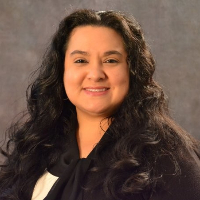
Isabel Sanchez Cummings is a Licensed Independent Social Worker (LISW) who helps people manage stress, anxiety, depression, grief, and codependency concerns. She also supports those facing parenting strain, relationship and family tensions, career stress, and major life changes. Isabel speaks English and Spanish and practices from Ohio.
She uses straightforward, practical work in sessions. Isabel focuses on helping people make decisions, build coping skills, and recognize helpful resources. She aims to guide people toward greater self-acceptance and clearer personal choices.
Isabel draws on a mix of therapeutic approaches. She incorporates Acceptance and Commitment Therapy to help people clarify values and take steps that matter. Cognitive Behavioral Therapy is used to spot unhelpful thought and behavior patterns and try small experiments to change them. Client-Centered Therapy provides a respectful space where the person leads the pace and goals.
Her practice emphasizes autonomy, competence, effectiveness, integrity, and respect for diversity. Isabel names cultural and life context as important when planning goals and strategies. She offers both gentle support and direct challenge when that helps someone move forward.
With 11 years of experience, Isabel focuses on helping people become healthier and more resilient. She works with individuals across a range of life stages and backgrounds, including people who identify as LGBTQIA.
How Isabel Uses Evidence-Based Approaches Online
Isabel integrates Acceptance and Commitment Therapy, Client-Centered Therapy, and Cognitive Behavioral Therapy into her work. Acceptance and Commitment Therapy helps people name what matters to them and take small steps toward those values even when feelings are hard. Client-Centered Therapy centers the persons experience and lets them set the pace and goals in a respectful, nonjudgmental space. Cognitive Behavioral Therapy focuses on spotting unhelpful thoughts and testing new behaviors to reduce distress.Finding the best approach is part of the process. Isabel collaborates with each person to see which methods fit their needs and goals. She adjusts techniques over time so the work stays practical and relevant to the person's life.
Confirm current session options before booking so you know which online formats are offered. Online work can make it easier to fit sessions into a busy week, allow shorter check-ins when needed, and reduce travel time. It also lets people continue steady support through life transitions while focusing on practical changes, values, and coping strategies.
Areas of expertise
Also works with
Additional focus areas
Therapeutic approaches
Experience
11+ years
Credentials
Ohio
Languages
English, Spanish
Frequently asked questions
What concerns does Isabel commonly address?
She supports people dealing with stress, anxiety, depression, grief, codependency, relationship and family issues, parenting strain, trauma and related concerns.
How would you describe her therapy style?
Her style is practical and respectful. Sessions combine gentle support with challenge to help people make concrete changes.
What background and experience does she bring?
She has 11 years of direct mental health experience and focuses on helping people develop coping skills and self-empowerment.
What are her credentials and where is she located?
She holds an LISW credential and practices from Ohio.
Which languages are supported in sessions?
Sessions are offered in English and Spanish.
Can international clients work with her?
She does not accept international clients at this time.
How is cost handled for sessions?
Cost varies with location and therapist availability and sessions use a subscription that can be canceled at any time.
What steps are involved to begin therapy?
Click the Start Therapy button, complete a short matching questionnaire, and schedule sessions according to therapist availability.
Profile details come from information the therapist supplied to BetterHelp. Credential and registration rules differ between the United States, the United Kingdom and Australia.