- Individual focus
- Evidence-based techniques
- Goal oriented
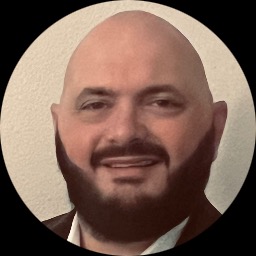
About James
James Saxton is a Licensed Clinical Social Worker (LCSW) based in Texas who helps people facing stress, anxiety, addiction, trauma, depression, sleep struggles, grief, anger, and self-esteem concerns. He also focuses on attachment issues, codependency, communication and commitment problems, and process addictions. His approach is practical and individualized, shaped by the goals each person brings to sessions.
James emphasizes a partnership with clients. He creates a nonjudgmental space to talk through thoughts, feelings, and behaviors that are causing trouble. Sessions are aimed at building awareness, clarifying goals, and making gradual changes that fit each person’s life.
He avoids a one-size-fits-all method and adapts techniques to the person in front of him. That means exploring what motivates change and using approaches that match those motivations. The work can include examining family of origin patterns, addressing guilt and shame, and identifying ways to manage panic or mood symptoms.
With five years of clinical experience, James uses evidence-based techniques to support recovery from drug and alcohol issues and other addictive behaviors. He helps people consider forgiveness, life purpose, and healthier ways of relating when relationships feel stuck.
People who choose James can expect straightforward language, step-by-step problem solving, and a collaborative plan that evolves over time. Prospective clients should confirm current session options before booking and can begin by using the Start Therapy button to complete a short matching questionnaire.
Approaches that guide online work and recovery
James uses evidence-based therapeutic techniques tailored to each person. One common focus is trauma-informed work, which helps people process past hurt and reduce its hold on daily life. This approach often includes grounding and paced steps to address post-traumatic stress and related symptoms.Another frequent element is addiction-focused intervention. This involves identifying triggers, building relapse prevention skills, and developing routines that support recovery from drug, alcohol, or process addictions. The work is practical and oriented toward small, achievable changes.
Finding the right approach is part of the therapy process. James will collaborate with each person to choose techniques that match their needs, goals, and preferences. He reviews progress and adjusts the plan as necessary so the work stays relevant and manageable.
Confirm current session options before booking, as specific formats are not listed here. Online therapy can make it easier to fit sessions into a busy life by reducing travel time and allowing more flexible scheduling. It can also support shorter check-ins when time is tight, or offer a way to continue work between in-person visits when needed.
Areas of expertise
Primary focus
Also works with
Additional focus areas
Experience
5+ years
Credentials
Texas
Languages
English
Frequently asked questions
What concerns does James address in therapy?
He works with stress, anxiety, depression, sleep problems, grief, anger, and low self-esteem. Addictions, trauma and codependency are also listed among his focus areas.
How would you describe his therapy style?
James takes a collaborative and practical approach. He creates a nonjudgmental space and adapts methods to each person’s goals.
What is his clinical background?
He has five years of clinical experience and uses evidence-based therapeutic techniques to guide treatment.
Where is he licensed and located?
He holds an LCSW license in Texas and practices in that state.
Which languages are sessions offered in?
Sessions are offered in English.
Can international clients work with him?
International clients are not currently accepted.
How are sessions scheduled and paid for?
Costs vary with location and therapist availability; sessions use a subscription that can be canceled at any time.
How do I begin working with him?
Select the Start Therapy button, complete a short matching questionnaire, and schedule according to therapist availability.
Profile details come from information the therapist supplied to BetterHelp. Credential and registration rules differ between the United States, the United Kingdom and Australia.