- Strengths based
- Goal oriented
- Evidence informed
About Jennifer
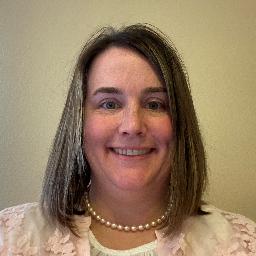
Jennifer Shaw-Klymyshyn is a licensed clinical social worker (LCSW) with 15 years of experience in behavioral health. She works with people who are feeling overwhelmed by stress, anxiety, depression, grief, or big life changes. Jennifer aims to meet each person where they are and build on their strengths.
Her approach is person-centered and practical. She uses tools from cognitive behavioral therapy to help people notice unhelpful thoughts and try different behaviors. She also draws on motivational interviewing to support change and narrative therapy to help people reframe the stories they tell about themselves.
Jennifer has worked across mood, anxiety, thought, and personality-related concerns, and she brings that experience to issues like relationship strain, addiction, codependency, caregiver stress, and compassion fatigue. She helps people sort through family-of-origin issues, guilt and shame, and the emotional fallout of domestic violence and trauma.
Sessions focus on clear goals and doable steps. Conversations often include identifying patterns, testing small changes, and building coping skills for daily life. She keeps things straightforward and tuned to what feels important to the person in front of her.
Appointments are typically scheduled in the mornings and early afternoons. Jennifer is not currently seeing clients in the evenings. Prospective clients in Oregon should confirm scheduling details before booking.
How therapeutic approaches guide online work
Jennifer commonly uses cognitive behavioral therapy and motivational interviewing in her practice. Cognitive behavioral therapy helps people spot patterns of thinking that feed anxiety or low mood and then try new behaviors to see what changes. Motivational interviewing focuses on a person’s own reasons for change and helps build motivation one step at a time.Finding the right approach is a collaborative process. The therapist will talk with each person about their goals and preferences, and then suggest methods that fit. Together they adjust the plan as progress and needs change.
The original profile does not list specific online session formats, so confirm available options before booking. Online work can still be practical and hands on: short check-ins, goal reviews, thought records, and behavioral experiments can all fit into weekly routines. It can make scheduling easier by reducing travel time and letting sessions sit more naturally in busy days. Licensed professionals can adapt tools like worksheets and step-by-step plans so they work well in remote appointments.
Areas of expertise
Primary focus
Also works with
Additional focus areas
Therapeutic approaches
Experience
15+ years
Credentials
Oregon
Languages
English
Frequently asked questions
What kinds of concerns does this therapist address?
She works with stress, anxiety, depression, grief, relationship strain, addictions, codependency, caregiver stress, and related issues.
What is her general therapy style?
Her style is person-centered and strengths based, with a focus on practical steps and clear goals.
How much clinical experience does she have?
She has 15 years of experience working in behavioral health with mood, anxiety, thought, and personality concerns.
What credentials and location are listed?
She holds an LCSW - Licensed Clinical Social Worker - and practices in Oregon.
Which languages are supported for sessions?
Sessions are offered in English.
What session formats are available?
The original profile does not specify session formats, so please confirm current session options before booking.
How does cost and payment work?
Cost varies with location and therapist availability, and sessions use a subscription that can be canceled at any time.
How do I begin the process of scheduling?
Start by selecting the Start Therapy button, completing a short matching questionnaire, and then schedule according to the therapist's availability.
Profile details come from information the therapist supplied to BetterHelp. Credential and registration rules differ between the United States, the United Kingdom and Australia.