- Nonjudgmental support
- Practical strategies
- Mindfulness informed
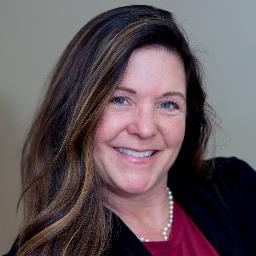
About Jill
Jill Holmes-Brown is a licensed clinical social worker with 20 years of experience. She helps people facing stress, anxiety, relationship struggles, family concerns, trauma, depression, addictions, grief, codependency, and other life changes. Her approach aims to be warm and nonjudgmental so people feel heard from the start.
Jill begins by meeting people where they are and moving at a comfortable pace. She emphasizes building rapport and offering a fresh perspective on difficult situations. She uses compassion, acceptance, and curiosity to guide conversations and practical next steps.
Her work draws on Cognitive Behavioral Therapy and Dialectical Behavior Therapy to help people notice patterns and try new ways of coping. Mindfulness techniques are used to increase present-moment awareness and ease emotional distress. Solution-Focused methods help set concrete goals and small steps toward change.
Jill pays attention to cultural background and personal history when exploring challenges such as attachment, abandonment, blended family issues, communication problems, and intimacy concerns. She also supports people dealing with parenting, eating or sleeping difficulties, career stress, and bipolar management.
She earned a master’s degree from the University of Connecticut in 1998 and holds a Connecticut LCSW. Sessions are offered in English and Jill practices from Connecticut. To begin, users complete a short matching questionnaire and schedule according to therapist availability.
Approaches that translate well to online work
Jill commonly uses Cognitive Behavioral Therapy and Mindfulness Therapy to address unhelpful thinking and emotional overwhelm. CBT focuses on identifying thought patterns and testing practical changes in behavior, which can help with anxiety, depression, and codependency. Mindfulness Therapy teaches simple attention and breathing skills to reduce reactivity and improve focus, which supports coping with stress and strong feelings.Finding the right approach is part of the work together. Jill treats approach selection as a collaborative process based on a person’s goals, preferences, and what shows early effectiveness. She will discuss options and adjust strategies as needed so the plan feels useful and realistic.
If you want online sessions, confirm current session options before booking. Online work can make it easier to fit therapy into a busy life - it may reduce travel time, allow shorter check-ins during a break, or avoid needing to be on camera for parts of a session. Many people find that CBT and mindfulness practices translate well to remote conversations and short between-session exercises. Remember to check which session types are available when you schedule.
Areas of expertise
Primary focus
Also works with
Additional focus areas
Therapeutic approaches
Experience
20+ years
Credentials
Connecticut
Languages
English
Frequently asked questions
What kinds of concerns does Jill work with?
She supports people with stress, anxiety, relationship and family concerns, trauma and abuse, depression, addictions, grief, codependency, and related issues like intimacy and communication problems.
How would you describe her therapeutic style?
Her style is warm and nonjudgmental with a focus on building rapport. She moves at the client’s pace and combines practical tools with compassionate listening.
What is her professional background?
She has 20 years of clinical experience and earned a master’s degree from the University of Connecticut in 1998.
What credentials and location are listed?
She holds a Connecticut LCSW and practices in Connecticut.
Which languages are supported for sessions?
Sessions are offered in English.
Can international clients work with Jill?
She does not accept international clients at this time.
How are sessions paid for and what do they cost?
Cost varies with location and therapist availability; sessions use a subscription that can be canceled at any time.
What are the steps to begin therapy?
Click the Start Therapy button, complete a short matching questionnaire, and schedule sessions according to the therapist’s availability.
Profile details come from information the therapist supplied to BetterHelp. Credential and registration rules differ between the United States, the United Kingdom and Australia.