- Practical action steps
- Collaborative planning
- Focus on wellbeing
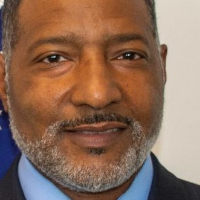
About Joseph
Dr. Joseph Bullock helps people who are feeling stuck, overwhelmed, or unsure how to move forward. He focuses on practical steps clients can use right away. He aims to create a calm space where people can speak honestly about difficult feelings and real-life problems.
Dr. Bullock has 32 years of counseling experience and holds licenses as an LCPC in Maryland and an LPC in Virginia. He draws on Cognitive Behavioral Therapy and Motivational Interviewing to help people recognize unhelpful thinking and find motivation to change. He also uses Client-Centered and Mindfulness approaches to make sessions feel collaborative and grounded.
In sessions he talks through immediate concerns like anxiety, depression, stress, addiction, grief, and career strain. He works with people coping with life transitions, intimacy issues, self-esteem struggles, and codependency. He also supports those facing aging or midlife challenges and men’s and veteran-related concerns.
His style is straightforward and goal-focused. Together with each person he builds a plan that fits their life and goals. That plan may include short-term goals, practical skills, and ways to keep progress steady over time.
Dr. Bullock emphasizes steady progress rather than quick fixes. He invites people who want a down-to-earth approach to problem solving. If someone is ready to take a step toward change, he offers partnership and clear next steps.
How his approaches work well online
Client-Centered Therapy focuses on listening and understanding a person’s perspective. It helps people feel heard and take the lead on goals they care about. Cognitive Behavioral Therapy (CBT) helps identify patterns of thinking and behavior that keep problems going, and then tests practical new ways of thinking and acting to reduce symptoms like anxiety or low mood. Motivational Interviewing is a short-term, goal-focused approach that helps people resolve mixed feelings and find internal reasons to make changes.Finding the right approach is part of the work. He will talk with each person about goals, preferences, and what has or hasn’t helped before. Together they decide which methods to try and adjust the plan as progress is made, keeping the process collaborative and flexible.
Session formats are not specified here, so confirm available options before booking. Online sessions can make it easier to fit therapy into a busy week, avoid travel time, and check in during breaks from work. They can also allow for shorter, focused meetings when a quick update or skill practice is helpful. Licensed professionals can adapt these approaches to fit a person’s schedule and goals.
Areas of expertise
Primary focus
Also works with
Additional focus areas
Therapeutic approaches
Experience
32+ years
Credentials
Maryland, Virginia
Languages
English
Frequently asked questions
What concerns does he help with?
He works with a wide range of issues including stress, anxiety, depression, addictions, relationship and intimacy concerns, grief, career challenges, and codependency.
What is his therapy style like?
His approach is practical and collaborative, combining client-centered listening with goal-focused tools to change thoughts and behaviors.
How long has he been practicing?
He brings 32 years of professional counseling experience to his work with clients.
What are his credentials and where is he based?
He holds an LCPC in Maryland and an LPC in Virginia, and his practice is based in Virginia.
Does he offer sessions in other languages?
Sessions are offered in English.
Can people from other countries work with him?
He does not accept international clients at this time.
How are sessions priced?
Cost varies with location and therapist availability; sessions use a subscription that can be canceled at any time.
How do I begin working together?
Click the Start Therapy button, complete a short matching questionnaire, and schedule according to therapist availability.
Profile details come from information the therapist supplied to BetterHelp. Credential and registration rules differ between the United States, the United Kingdom and Australia.