- Goal focused
- Values centered
- Skills oriented
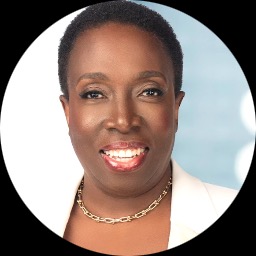
About Judith
Dr. Judith Josiah-Martin is a licensed clinical social worker who helps people manage stress, anxiety, low self-esteem, career changes, and compassion fatigue. She has 20 years of experience and works with clients who are dealing with codependency, attachment concerns, caregiver strain, or feelings of isolation.
Her sessions are practical and straightforward. She listens first, then helps clients set clear goals. Conversations focus on what is most pressing and on small steps that can be tried between meetings.
Dr. Josiah-Martin blends several evidence-based methods. She uses cognitive behavioral ideas to notice unhelpful thinking patterns and acceptance and commitment strategies to clarify values and take action. Mindfulness practices and attachment-based insights help people feel steadier in relationships.
She aims to make therapy easy to fit into daily life. The tone is collaborative and respectful, and she encourages clients to bring their real-life concerns to the room. Work often includes skill practice, goal-setting, and checking what actually helps in everyday situations.
Her background includes two decades of counseling in Maine with attention to multicultural and life-transition issues. People who want to explore career direction, recover from substance-related or domestic violence stress, or repair family-of-origin wounds may find this approach useful.
Therapeutic approaches and how they fit online
Acceptance and Commitment Therapy (ACT) helps people notice difficult thoughts and feelings while focusing on what matters most to them. It is useful for anxiety, stress, and problems with motivation or meaning. Cognitive Behavioral Therapy (CBT) looks at how thoughts, feelings, and actions connect, and it teaches practical skills to change unhelpful patterns in daily life. Attachment-Based Therapy explores how early relationship patterns affect current connections and helps people build safer ways of relating.Finding the right approach is part of the work. The therapist will collaborate with each person to pick or combine methods that match their goals and preferences. Treatment plans evolve based on what a client wants to accomplish and what proves helpful in practice.
Confirm session options before booking since specific formats are not listed here. Online therapy can make it easier to fit sessions into a busy life, reduce travel time, and allow shorter check-ins when schedules are tight. It also lets people work with licensed professionals from other places, which can expand choices when looking for the right therapeutic match.
Areas of expertise
Primary focus
Additional focus areas
Therapeutic approaches
Experience
20+ years
Credentials
Maine
Languages
English
Frequently asked questions
What concerns does she commonly address?
She supports people with stress, anxiety, low self-esteem, career transitions, and compassion fatigue, plus related issues like codependency, attachment problems, and caregiver stress.
How would you describe her therapy style?
Her style is practical and collaborative. She listens closely, helps set clear goals, and focuses on skills and steps clients can try between sessions.
What is her professional background?
She has 20 years of counseling experience and has worked with people facing multicultural concerns, life transitions, and workplace or family stress.
What credentials and location are listed for this therapist?
She is a licensed clinical social worker, ME LCSW, and practices in Maine.
Which languages are offered for sessions?
Sessions are offered in English.
Can international clients work with her?
She accepts international clients.
How does payment and cost work?
Cost varies with location and therapist availability; sessions use a subscription that can be canceled at any time.
How do I begin working with her?
Select the Start Therapy button, complete a short matching questionnaire, and schedule according to the therapist's availability.
Profile details come from information the therapist supplied to BetterHelp. Credential and registration rules differ between the United States, the United Kingdom and Australia.