- Client-centered focus
- Practical tools
- Long-term support
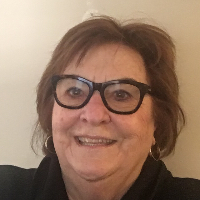
About Katherine
Katherine Flynn is a Licensed Professional Counselor (LPC) based in Minnesota who helps people navigate stress, anxiety, addictions, grief, anger, low self-esteem, relationship and family concerns, trauma and abuse, intimacy-related issues, eating struggles, parenting challenges, depression, and life transitions. She has a long history working with codependency and related control and communication problems. Her approach aims to help people feel more confident and grounded in daily life.
She brings 25 years of experience to her clinical work and has a background that includes extensive time in substance-abuse programs and many years in private practice. That history informs how she talks about addiction, grief, aging, blended-family dynamics, and caregiver stress. She uses everyday language in sessions and focuses on practical steps people can try between visits.
Katherine tends to center therapy on the person in front of her. She pays attention to feelings of anxiety, shame, and belonging, and helps clients identify practical strengths they already have. Sessions often include collaborative goal-setting and short-term strategies to reduce distress while building long-term resilience.
Her style blends client-centered listening with evidence-based tools from cognitive behavioral and mindfulness approaches. She also draws on solution-focused ideas to help people set manageable goals and track progress. The overall aim is to create a clear plan that fits a person’s life and priorities.
Katherine invites a collaborative relationship where clients set the pace. She focuses on small, workable changes that add up over time and supports people as they move forward through difficult transitions.
How Katherine Uses Talk Therapy and Practical Tools Online
Client-centered therapy means the therapist listens closely, follows your lead, and helps you name what matters most. This approach is useful for stress, anxiety, low self-esteem, and relationship concerns because it focuses on understanding your experience and building trust.Cognitive Behavioral Therapy, or CBT, looks at how thoughts and behaviors affect mood. It includes simple exercises to spot unhelpful thinking and try different actions that reduce anxiety or depression. This method often helps with addictions, worry, and anger by creating clear, testable steps to change routines.
Mindfulness Therapy teaches noticing moment-to-moment experience with less judging. Short breathing or awareness practices can reduce reactivity and improve focus, which supports coping with grief, intense emotions, and cravings.
Finding the right mix of approaches is part of the work. The therapist will collaborate with each person to choose methods that match goals, needs, and preferences. That might mean starting with concrete CBT tasks, adding mindfulness practices, or staying mainly person-centered while tracking small changes.
Confirm which session formats are offered before booking, since this profile does not list specific options. Online sessions can make it easier to fit therapy into a busy week, allow shorter check-ins when needed, and remove travel time so work or caregiving responsibilities are easier to manage. Licensed professionals can tailor session length and pacing to what works best in everyday life.
Areas of expertise
Primary focus
Also works with
Additional focus areas
Therapeutic approaches
Experience
25+ years
Credentials
Minnesota
Languages
English
Frequently asked questions
What concerns does Katherine address in therapy?
She works with stress, anxiety, addictions, grief, anger, self-esteem, relationship and family issues, trauma and abuse, intimacy-related problems, eating concerns, parenting struggles, depression, and coping with life changes.
How would you describe her therapeutic style?
She uses a person-centered stance that emphasizes listening and collaboration, combined with practical strategies to reduce anxiety and build strengths.
What experience does she bring to sessions?
She has 25 years of experience, including extensive work in substance-abuse programs and many years in private practice focusing on addictions, codependency, grief, and aging-related concerns.
What credentials and location are listed?
She holds the Licensed Professional Counselor credential (LPC) and is based in Minnesota.
Which languages are supported and can international clients be seen?
Sessions are offered in English and international clients are not currently accepted.
What session formats are available?
Specific session formats are not listed here; please confirm current session options before booking to ensure they meet your needs.
How does cost work for sessions?
Cost varies with location and therapist availability; sessions use a subscription that can be canceled at any time.
How do I begin if I want to work together?
Select the Start Therapy button, complete a short matching questionnaire, and schedule according to therapist availability.
Profile details come from information the therapist supplied to BetterHelp. Credential and registration rules differ between the United States, the United Kingdom and Australia.