- Practical coping skills
- Trauma-informed care
- Client-centered work
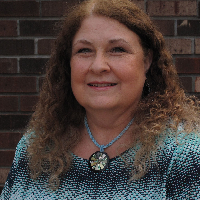
About Kathryn
Kathryn Bishop is a Licensed Professional Counselor (LPC) based in Oklahoma with nearly three decades of experience. She helps people who are dealing with anxiety, depression, stress, and major life changes. Kathryn also supports those affected by trauma, including people with histories of repeated physical, verbal, or sexual abuse.
She takes a straightforward, respectful approach in sessions. Kathryn listens without judgment and adapts her style to each person. That means the work in the room looks different depending on what matters most to the client.
Her methods draw from client-centered therapy, cognitive behavioral therapy, and motivational interviewing. She uses these approaches to help people rethink unhelpful thoughts, build practical coping skills, and find motivation to make changes.
Over 28 years she has worked with a wide range of concerns, including parenting challenges, grief, relationship strain, addiction, ADHD, and body image. She also addresses issues like codependency, attachment difficulties, and blended family stress.
Sessions focus on clear, manageable steps rather than jargon. Kathryn aims to help people stabilize when things feel overwhelming and then plan a path forward that fits their life. She welcomes questions and helps people decide what to try first.
How Kathryn’s approaches work in online therapy
Client-centered therapy focuses on listening and understanding a person’s experience. The therapist follows the client’s lead, reflects what they say, and helps them feel heard so they can sort out priorities and decide on next steps. Cognitive behavioral therapy (CBT) looks at how thoughts and behaviors interact. It involves identifying unhelpful thinking patterns and trying practical exercises to change behavior and reduce symptoms such as anxiety or low mood.Choosing an approach is a collaborative process. Kathryn will talk with each person about their goals, preferences, and what has or hasn’t helped before. Together they try methods that fit the person’s day-to-day life and adjust the plan as progress is made.
Practical benefits of online work include fitting sessions into a busy schedule and maintaining continuity through life changes. Because the specific session formats are not listed here, confirm current options before booking. Online sessions can make it easier to check in during a break, avoid travel time, or keep therapy consistent when routines shift. Licensed professionals can use these methods to help people build coping skills, manage stress, and plan concrete steps between meetings.
Areas of expertise
Primary focus
Also works with
Additional focus areas
Therapeutic approaches
Experience
28+ years
Credentials
Oklahoma
Languages
English
Frequently asked questions
What kinds of concerns does Kathryn address?
She works with stress, anxiety, depression, trauma and abuse, parenting issues, relationship and communication problems, addictions, and related concerns such as codependency and ADHD.
What is her general therapy style?
Her style is non-judgmental and adaptable. Kathryn blends client-centered therapy with cognitive behavioral techniques and motivational interviewing to match a person’s needs.
How long has she been practicing?
She has 28 years of clinical experience working with a wide range of issues and life transitions.
What are her credentials and where is she located?
She is a Licensed Professional Counselor (LPC) in Oklahoma and practices from that state.
Which languages are supported?
Sessions are offered in English.
Can people outside the United States work with her?
International clients are not currently accepted.
How are sessions scheduled and what about cost?
Cost varies with location and therapist availability; sessions use a subscription that can be canceled at any time.
What steps are involved to begin working together?
Select the Start Therapy button, complete a short matching questionnaire, and then schedule according to therapist availability.
Profile details come from information the therapist supplied to BetterHelp. Credential and registration rules differ between the United States, the United Kingdom and Australia.