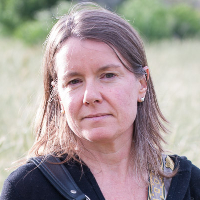
- 20 years experience
- English and Spanish
- Colorado based
About Kim
Kim Miller is a licensed clinical social worker who helps people facing stress, anxiety, trauma and abuse, grief, depression, codependency, and relationship and intimacy concerns. She offers straightforward, compassionate talk therapy for someone feeling overwhelmed by life changes or stuck in old patterns. Kim speaks English and Spanish and practices in Colorado.
With 20 years of experience, Kim blends practical therapies with body-focused awareness. Sessions often start with conversation and cognitive tools, then move toward noticing physical sensations and responses in the body. She has studied the Hakomi method and Brainspotting with David Grand, and integrates those influences when they seem useful.
Kim uses approaches such as cognitive behavioral techniques, emotionally focused strategies, EMDR, mindfulness, and motivational interviewing depending on the person's needs. She describes therapy as a collaborative process where goals and steps are set together. Many clients work on coping skills, improving self-esteem, and managing symptoms of depression, anxiety, or trauma.
People who are caregiving, facing chronic illness, navigating blended family issues, or coping with midlife shifts often seek her help. She also supports work around substance concerns, eating and sleeping difficulties, and career or life-purpose questions. The aim is practical change and steadier daily functioning.
To begin, visitors are asked to use the site Start Therapy button and complete a short matching questionnaire. Scheduling follows from that match and the therapist's availability.
How Kim’s approaches translate to online therapy
Kim uses cognitive behavioral techniques to help identify and change unhelpful thoughts and behaviors, which can be practiced through discussion and structured exercises during remote sessions. Emotionally-Focused Therapy helps people notice and change patterns in how they relate and respond to feelings, and that work can be done through guided conversations and in-session reflection. Eye Movement Desensitization and Reprocessing (EMDR) is used for trauma processing and often involves bilateral stimulation alongside talk; elements of EMDR can be adapted for remote work depending on the person’s needs.Finding the right approach is a shared process. Kim will discuss goals, preferences, and what feels most helpful, and then try different methods to see what fits best. The plan can shift as therapy progresses so clients stay involved in shaping the work.
The original biography does not list specific session formats, so confirm current options before booking. Many people find online therapy helps fit sessions into busy lives by reducing travel time, making it easier to schedule around work or caregiving, and allowing shorter check-ins when needed. Some methods translate well to remote talk sessions, while others may be adjusted; discuss practical arrangements with the therapist when you schedule to align approach and format.
Areas of expertise
Primary focus
Also works with
Additional focus areas
Therapeutic approaches
Experience
20+ years
Credentials
Colorado
Languages
English, Spanish
Frequently asked questions
What concerns does Kim commonly address?
She supports people with stress, anxiety, trauma and abuse, grief, depression, codependency, relationship and intimacy issues, and related challenges like eating, sleeping, and self-esteem.
How would you describe her therapeutic style?
Kim starts with talk therapy and cognitive tools, then often shifts to somatic awareness and body-centered work when it seems helpful. Her style is collaborative and aims for practical steps you can use day to day.
What is her background and experience?
She holds a Master of Social Work and has practiced for 20 years. Her work has included depression, trauma, family and chronic illness issues.
What credentials and region are listed?
Kim is an LCSW, licensed in Colorado. Her practice is based in that state.
In which languages can sessions be held?
Sessions are offered in English and Spanish, and she also accepts international clients.
What session formats are available?
The original biography does not list specific session formats. Please confirm current session options before booking so you know whether video, phone, or in-person sessions are offered.
How is cost handled for sessions?
Cost varies with location and therapist availability. Sessions use a subscription that can be canceled at any time.
What are the first steps to get started?
Click the Start Therapy button, complete the short matching questionnaire, and then schedule according to the therapist's availability.
Profile details come from information the therapist supplied to BetterHelp. Credential and registration rules differ between the United States, the United Kingdom and Australia.