- Client-centered care
- Practical coping skills
- Relationship focus
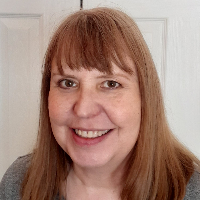
About Lisa
Lisa Daly, LCSW, LSCSW, offers a straightforward, client-centered approach to therapy. She meets people where they are and listens first. Lisa treats stress, anxiety, depression, relationship and family concerns, grief, addictions, trauma and abuse, intimacy issues, and codependency among other concerns.
With 19 years of experience, she keeps the work practical and goal-oriented. Sessions focus on improving communication, building self-esteem, and developing coping strategies for life changes such as midlife transitions and caregiving stress. She also helps people manage mood disorders, OCD symptoms, bipolar concerns, and seasonal affective challenges.
Her approach blends Client-Centered Therapy with Cognitive Behavioral Therapy and Emotionally-Focused ideas when useful. Lisa offers options and encourages clients to choose what feels most helpful. If a need falls outside her scope, she will suggest an appropriate referral.
Lisa values short-term work when that fits a person’s goals, while also supporting longer paths when needed. She emphasizes clear feedback - if something in therapy isn’t helping, she asks people to say so so adjustments can be made.
She works in Missouri as a licensed clinical social worker. Sessions are conducted in English and she does not take international clients. To begin, a person completes a short matching questionnaire and schedules per the therapist’s availability.
How therapeutic approaches shape online work
Lisa uses Client-Centered Therapy to prioritize the person’s perspective. This approach means sessions begin with listening and building trust, then following the client’s lead to set goals and next steps. It’s helpful for people feeling stuck or unsure where to start.She also draws on Cognitive Behavioral Therapy, which focuses on practical strategies to change unhelpful thoughts and behaviors. CBT is useful for anxiety, depression, OCD patterns, and improving day-to-day coping. Emotionally-Focused Therapy elements may appear when relationship patterns and attachment issues are central, helping people notice and change interaction cycles.
Finding the right approach is a collaborative process. Lisa will work with each person to decide which methods fit their goals and preferences. That discussion shapes how sessions proceed and which tools are tried first.
Confirm the current session options before booking so you know what formats are available. Online work can make it easier to fit therapy into busy schedules, allow shorter check-ins when needed, and remove travel time from the day. These practical benefits can help people maintain consistency and apply new skills between sessions.
Areas of expertise
Primary focus
Also works with
Additional focus areas
Therapeutic approaches
Experience
19+ years
Credentials
Missouri, Kansas
Languages
English
Frequently asked questions
What concerns does she help with?
She helps people facing stress, anxiety, depression, grief, addictions, trauma and abuse, relationship and intimacy issues, parenting and family problems, codependency, and related mood or behavioral concerns.
What is her general therapy style?
Her work is client-centered and collaborative. She listens first, offers options, and encourages feedback so therapy stays useful.
How much experience does she have?
She has 19 years of clinical experience providing therapy to individuals, couples, and families.
What credentials and location apply?
She holds LCSW and LSCSW credentials and practices in Missouri.
Which languages are supported?
Sessions are offered in English.
Does she work with international clients?
She does not accept international clients at this time.
How does pricing and payment work?
Cost varies with location and therapist availability; sessions use a subscription that can be canceled at any time.
How do I get started?
Select the Start Therapy button, complete a short matching questionnaire, and schedule according to therapist availability.
Profile details come from information the therapist supplied to BetterHelp. Credential and registration rules differ between the United States, the United Kingdom and Australia.