- Direct skill building
- Warm collaborative style
- Focus on real change
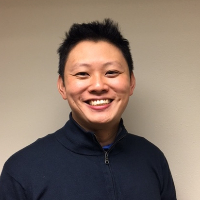
About Mark
Mark Yeung is a Licensed Clinical Social Worker (LCSW) with 12 years of counseling experience. He draws on practical therapies to help people manage stress, anxiety, grief, depression, addictions, and relationship concerns. Mark aims to create a straightforward, caring space where people can talk through what matters to them and try new ways of coping.
He trained at the University of California, Berkeley, earning a Master of Social Work and a Master of Public Health. Mark has worked with people facing medical illness, terminal conditions, bereavement, and veterans. That background informs how he supports people through loss, caregiving strain, chronic illness, and end-of-life matters.
Mark often uses Dialectical Behavior Therapy, Cognitive Behavioral Therapy, and Acceptance and Commitment Therapy alongside a humanistic, solution-focused stance. In sessions he focuses on building a strong working relationship, practical skills, and small behavior changes that fit a person’s life. He emphasizes empathy, warmth, and clear goals.
He also addresses issues such as codependency, attachment wounds, parenting stress, multicultural and immigration-related concerns, and compassion fatigue. Mark works with people dealing with intimacy problems, eating and sleeping difficulties, career strain, ADHD, and bipolar-related challenges.
People who choose him will find a therapist who values honest feedback and collaboration. The initial steps are simple: complete the short questionnaire, then schedule a session to see if the approach feels like a fit.
How key approaches guide online work
Mark often draws on Acceptance and Commitment Therapy, Cognitive Behavioral Therapy, and a client-centered humanistic approach. Acceptance and Commitment Therapy focuses on clarifying values and taking small committed steps toward them while learning to live with difficult thoughts and feelings. Cognitive Behavioral Therapy looks at how thoughts and behaviors interact and teaches practical techniques to reduce unhelpful patterns and manage symptoms. A client-centered humanistic stance emphasizes empathy, listening, and a collaborative relationship to support personal growth and problem solving.Finding the right approach is part of the work together. The therapist and client discuss goals, preferences, and what has or has not helped before. Together they try methods that match those goals and adapt techniques if something does not fit. This keeps the process collaborative and focused on what matters to the client.
If you are considering online sessions, confirm the specific session options before booking. Many people find online work helpful for fitting therapy into a busy schedule, shortening the time needed to attend sessions, or using video or phone to reduce travel. The emphasis is on making sessions practical and workable so that skills and small behavior changes can be tried between meetings.
Areas of expertise
Primary focus
Also works with
Additional focus areas
Therapeutic approaches
Experience
12+ years
Credentials
Oregon, Washington, California
Languages
English
Frequently asked questions
What issues does he help with?
He works with a wide range of concerns including stress, anxiety, depression, grief, addictions, relationship and intimacy issues, codependency, ADHD, and caregiver or chronic illness stress.
What is his therapy style like?
He uses a humanistic, solution-focused stance and blends approaches such as DBT, CBT, and ACT to build skills and address unhelpful patterns in everyday life.
What experience does he bring?
He has 12 years of clinical experience and has provided counseling to people who are medically sick, terminally ill, bereaved, and veterans.
Where is he licensed and based?
He is a Licensed Clinical Social Worker (LCSW) practicing in Oregon.
Which languages are supported?
Sessions are offered in English.
Can people outside the United States work together?
He is not accepting international clients at this time.
How are fees and billing handled?
Cost varies with location and therapist availability; sessions use a subscription that can be canceled at any time.
How do I begin working together?
Click the Start Therapy button, complete a short matching questionnaire, and then schedule according to therapist availability.
Profile details come from information the therapist supplied to BetterHelp. Credential and registration rules differ between the United States, the United Kingdom and Australia.