- Practical coping skills
- Family dynamics focus
- Longstanding experience
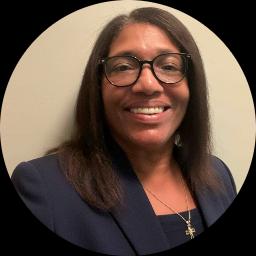
About Mary
Mary Redding is a licensed clinical social worker who helps people handle hard life moments. She uses a calm, down-to-earth style to guide conversations about family stress, relationships, and personal growth. Her work often centers on practical steps people can try between sessions.
With 36 years of experience in Mississippi, Mary focuses on problems that come up around parenting, family conflict, and codependency. She also supports people dealing with anxiety, depression, grief, addiction, and major life changes. Short-term goals and clear coping strategies are part of her usual way of working.
Mary draws on several familiar approaches to fit each person's needs. She uses acceptance and commitment ideas to help people notice what matters most, cognitive-behavioral tools to change unhelpful thinking and behavior, and attachment-based ideas to untangle relationship patterns. She keeps explanations plain and offers concrete skills people can try right away.
Sessions are practical and collaborative. Mary listens closely, reflects what she hears, and helps set steps that feel doable. She aims to strengthen communication, manage strong emotions like anger, and rebuild self-esteem.
People who come to Mary often want clear, realistic plans for moving forward. She helps break big problems into smaller parts and tracks progress over time. Before booking, readers should confirm current session options and scheduling details.
How therapeutic approaches shape online care
Mary uses Acceptance and Commitment Therapy to help people identify what matters most and take small actions toward those values, even when emotions are difficult. This approach often helps with anxiety, depression, and life transitions. Attachment-Based Therapy is used to look at how early relationship patterns show up now and to practice new ways of relating that improve trust and communication.Choosing the right approach is part of the work. Mary will talk with each person about goals, preferences, and what has worked or not worked in the past. Together they decide which methods to try and adjust the plan as progress is made.
Confirm the current session options before booking, since specific online formats are not listed here. Many people find online sessions useful because they fit more easily into busy days, remove travel time, and make it simpler to maintain regular appointments. Online work can also allow shorter check-ins, focus on skills practice, or use video or phone options depending on what the therapist offers. The focus is on making therapy fit daily life and on helping people take actionable steps between meetings.
Areas of expertise
Primary focus
Also works with
Additional focus areas
Therapeutic approaches
Experience
36+ years
Credentials
Mississippi
Languages
English
Frequently asked questions
What kinds of concerns does Mary address?
She helps with family and parenting stress, self-esteem, anxiety, depression, grief, addictions, relationship problems, trauma and abuse, and related issues such as codependency and communication problems.
How would you describe her therapy style?
Mary uses a practical, empathetic approach and focuses on short-term goals and coping strategies that people can use between sessions.
What is her clinical background?
She holds an MS and is a licensed clinical social worker with 36 years of experience working in Mississippi.
Where does Mary practice?
Her practice is based in Mississippi. Readers should confirm scheduling and location details before booking.
Which languages are supported for sessions?
Sessions are offered in English.
Can international clients work with her?
International clients are not currently accepted.
How are fees handled?
Cost varies with location and therapist availability; sessions use a subscription that can be canceled at any time.
How do I begin working with Mary?
Click the Start Therapy button, complete a short matching questionnaire, and then schedule according to therapist availability.
Profile details come from information the therapist supplied to BetterHelp. Credential and registration rules differ between the United States, the United Kingdom and Australia.