- Strengths-based approach
- Goal focused work
- Practical task plans
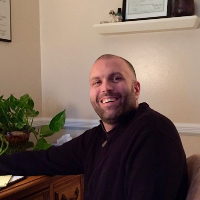
About Michael
Michael Pfisterer is a Licensed Clinical Social Worker (LCSW) with 14 years of experience. He focuses on helping people use their strengths to meet short-term needs and long-term goals. He works with common struggles such as stress, anxiety, depression, addictions, grief, and codependency, among other concerns.
He starts by listening to each person's story and identifying practical steps forward. His work blends client-centered and solution-focused ideas so sessions move toward clear, achievable goals. That can look like breaking problems into small tasks or practicing new ways to manage difficult feelings.
Pfisterer has experience supporting people with developmental differences and executive functioning challenges. He also has experience with trauma, life transitions, and relationship or family stress. His background includes work with individuals affected by addiction and those exploring intimate or sexual relationship styles.
In sessions he aims to create straightforward plans that fit everyday life. He helps people recognize strengths and try concrete strategies between meetings. Progress is measured by what a person can do differently and how those changes affect daily routines.
Outside of practice he lives in South Carolina with his wife, daughters, and two dogs. He describes therapy as a partnership and invites people to bring their goals and concerns to the first conversations.
How client-centered and solution-focused work translate online
Client-Centered Therapy puts the person's experience at the center. The therapist listens closely, reflects what they hear, and supports the client's own pace and choices. This approach helps with feeling heard, building self-awareness, and clarifying personal goals.Solution-Focused Therapy focuses on small, practical steps that lead to visible change. Sessions emphasize what a person wants to achieve and which actions can get them there quickly. This approach often helps with day-to-day problems like anxiety, stress, sleep issues, and coping with life changes.
Finding the right approach is part of the first conversations. The therapist collaborates with each person to decide which methods fit their needs, goals, and preferences. That might mean emphasizing listening and exploration at first, then shifting to task-based work as goals become clearer.
Online therapy can make it easier to fit sessions into a busy week and to try short, focused check-ins when needed. Because the profile does not list specific session formats, confirm the available options before booking. Many people find remote sessions useful for keeping momentum between in-person visits, practicing strategies in daily routines, or reducing travel time while maintaining regular contact with a licensed professional.
Areas of expertise
Primary focus
Also works with
Additional focus areas
Therapeutic approaches
Experience
14+ years
Credentials
New York, South Carolina, Nevada
Languages
English
Frequently asked questions
What kinds of problems does he address?
He supports people coping with stress, anxiety, depression, addictions, grief, trauma, codependency, and related concerns such as sleep, eating, and self-esteem.
How would he describe his therapeutic style?
His style blends client-centered work with solution-focused techniques. That means listening first, then setting small, actionable goals to make steady progress.
What is his professional background?
He has 14 years of clinical experience working with a wide range of people, including those with developmental differences and those facing major life transitions.
What credentials and location are listed?
He holds the LCSW credential and is identified with NY LCSW and NV LCSW. His practice location is in South Carolina.
Which languages are supported and can international clients connect?
Sessions are offered in English, and he accepts international clients.
What session formats are available?
The original profile does not specify session formats. Please confirm current session options before scheduling.
How does billing and cost work?
Cost varies with location and therapist availability; sessions use a subscription that can be canceled at any time.
How do I get started with him?
Select the Start Therapy button, complete the short matching questionnaire, and schedule according to therapist availability.
Profile details come from information the therapist supplied to BetterHelp. Credential and registration rules differ between the United States, the United Kingdom and Australia.