- Focus on codependency
- Research-informed approach
- Direct and practical
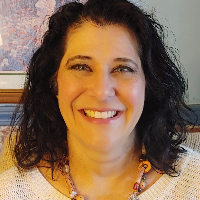
About Nancy
Dr. Nancy Kenyon Richardson welcomes people who want help with recovery, relationship struggles, parenting stress, mood concerns, or the effects of trauma. She writes in a straightforward way and aims to make the first steps feel manageable. Dr. Nancy emphasizes practical understanding and clear goals when someone is ready to work on codependency, addiction, anxiety, or grief.
She holds a master's degree in psychology with a concentration in counseling and a Ph.D. in psychology with a concentration in addiction. Her Ph.D. research looked at recovery after medication-assisted treatment and contributed to a theory on long-term opioid recovery. She is licensed as a clinical mental health counselor - LCMHC - and has training in EMDR and Gottman approaches noted in her biography.
In sessions she often explains how the brain and trauma interact. That psycho-education helps people see why old patterns keep showing up. She helps clients identify the specific past events or “hooks” that keep them stuck and then works on practical steps to change those patterns.
Her background includes work with intimate partner violence and a Victim Activist of the Year award in 2012 for that work. She draws on ten years of clinical experience and research to guide treatment decisions. The focus is on collaboration, clear explanations, and moving toward measurable change.
Dr. Nancy lives in Vermont and blends clinical expertise with a straightforward, empathetic style. She aims to make therapy feel direct and useful, so people can build the skills to manage stress, relationships, and recovery.
How these approaches translate to online work
Client-Centered Therapy centers on the person's experience and priorities. A therapist who uses this approach listens closely and follows the client's concerns, helping them name goals and make decisions that fit their life. Cognitive Behavioral Therapy, or CBT, focuses on identifying unhelpful thoughts and behaviors and practicing concrete skills to change them; it is often used for anxiety, depression, and stress-related problems.EMDR is a trauma-focused method that uses sets of guided attention to help process painful memories and reduce their emotional impact. It is commonly used when past events continue to trigger strong reactions and avoidance. Dr. Nancy combines these approaches with clear explanations about how trauma and the brain interact so clients can understand why patterns persist.
Choosing the right approach is a collaborative process. The therapist will discuss goals, preferences, and past treatment experiences to find a fit. Together they will adjust methods over time if something is not helping.
The biography does not list specific session formats for online care, so confirm current options before booking. In general, online therapy can make it easier to fit appointments into a busy schedule, allow shorter check-ins when needed, and remove travel time. Talk with the therapist about which style and timing best fit everyday routines.
Areas of expertise
Primary focus
Also works with
Additional focus areas
Therapeutic approaches
Experience
10+ years
Credentials
Vermont
Languages
English
Frequently asked questions
What concerns does Dr. Nancy commonly address?
She helps people with addictions, relationship difficulties, trauma and abuse, parenting strain, ADHD, anxiety, depression, grief, and codependency among other issues.
What is her therapeutic style like?
Sessions emphasize clear explanations, practical strategies, and collaboration. She often uses psycho-education about the brain to explain patterns and then works on concrete steps to change them.
What is her clinical and research background?
She has a master's degree in psychology (counseling concentration) and a Ph.D. in psychology (addiction concentration) with research on recovery after medication-assisted treatment; she brings about ten years of clinical experience.
What credentials and location are listed for this therapist?
She is listed as an LCMHC and practices in Vermont according to the biography supplied.
Which languages and international options are available?
Sessions are offered in English and she does not accept international clients at this time.
What session formats are used for appointments?
The original biography did not specify session formats; please confirm available session options when scheduling.
How are fees and billing handled?
Costs vary with location and therapist availability; sessions use a subscription model that can be canceled at any time.
How do I begin working with her?
To start, select the Start Therapy button, complete the short matching questionnaire, and schedule according to therapist availability.
Profile details come from information the therapist supplied to BetterHelp. Credential and registration rules differ between the United States, the United Kingdom and Australia.