- Goal oriented
- Collaborative
- Compassionate
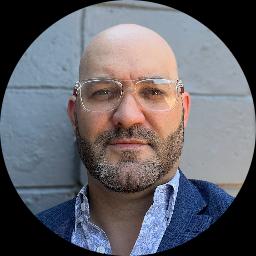
About Nicolas
Nicolas Gross is a Licensed Clinical Social Worker (LCSW) based in Florida. He supports people who are dealing with stress, anxiety, grief, depression, relationship and family concerns, addictions, and codependency among other struggles. He often works with people facing big life changes or who feel stuck by past experiences or limiting beliefs.
He describes therapy as a collaborative process. Sessions focus on honest conversation, setting clear personal goals, and trying practical tools that fit each person's life. He helps clients identify patterns that get in the way and experiment with new ways of responding.
Over 20 years in practice have shaped a straightforward style. He draws on client-centered listening to understand each person’s priorities. He also uses cognitive behavioral techniques to challenge unhelpful thoughts and Acceptance and Commitment Therapy ideas to find what matters most and move toward it.
Work often includes looking at relationships, parenting pressures, and the effects of trauma and loss. He pays attention to emotional safety while encouraging small, real-world steps toward change. People can expect a mix of talking, goal-setting, and practical exercises tailored to their situation.
His Florida license is listed as LCSW. Sessions are conducted in English. To begin, a brief matching questionnaire and scheduling step start the process.
How certain approaches translate to online work
Acceptance and Commitment Therapy (ACT) helps people clarify their values and take steps that matter, even when difficult thoughts or feelings show up. It is often used for anxiety, depression, and meaning-focused work. Client-Centered Therapy focuses on listening, empathy, and helping people find their own solutions by reflecting what matters most to them. Cognitive Behavioral Therapy (CBT) looks at the link between thoughts, feelings, and actions and uses practical exercises to change patterns that cause distress.Choosing an approach is a collaborative process. The therapist will talk with each person about goals and preferences and then suggest which methods to try. Work is adjusted along the way so the approach fits the client's needs and daily life.
Confirm the session formats available before booking, as specific options are not listed here. Online work can make it easier to fit therapy into a busy schedule, reduce travel time, and allow shorter check-ins when needed. It can also let people use a quieter setting or avoid camera use if that helps them focus. Licensed professionals often combine talk, worksheets, and behavioral tasks that can be completed between sessions to support steady progress.
Areas of expertise
Primary focus
Also works with
Additional focus areas
Therapeutic approaches
Experience
20+ years
Credentials
Florida
Languages
English
Frequently asked questions
What concerns does he help with?
He supports people facing stress, anxiety, depression, grief, codependency, addictions, relationship and family issues, and other life changes.
What is his therapeutic style like?
He works collaboratively and uses straightforward talk, goal-setting, and practical tools to address patterns that interfere with daily life.
How much clinical experience does he have?
He has 20 years of professional clinical experience working with a range of concerns including trauma, grief, and adjustment to change.
What credentials and location are listed?
He is a Licensed Clinical Social Worker (LCSW) in Florida.
Which languages are sessions offered in?
Sessions are offered in English.
Can people outside the U.S. work with him?
He is not accepting international clients at this time.
How are session costs handled?
Cost varies with location and therapist availability, and sessions use a subscription that can be canceled at any time.
What is the first step to start therapy?
Select the Start Therapy button, complete a short matching questionnaire, and schedule according to therapist availability.
Profile details come from information the therapist supplied to BetterHelp. Credential and registration rules differ between the United States, the United Kingdom and Australia.