- Strengths-based approach
- Trauma-aware care
- English and Spanish
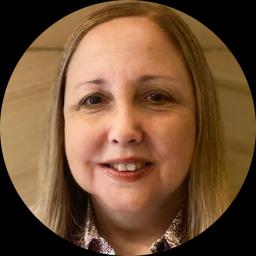
About Patricia
Patricia Lewis is an ACA and PACFA-registered counsellor with more than nine years' professional experience. She supports people dealing with stress, anxiety, relationship strain, family conflict, trauma and issues with self-esteem. Patricia writes plainly and offers a calm, steady presence for people at a difficult point in life.
She sees people as the experts on their own stories and focuses on strengths. In sessions she listens closely, helps name what matters, and works with people to set small, achievable steps. Patricia aims to make therapy feel practical and relevant to everyday life.
Her background includes work with trauma and abuse, domestic violence, sexual assault, and separation. She also helps people with codependency, communication problems, control issues and workplace stress. This range means she is used to helping people untangle painful patterns and rebuild confidence.
Patricia draws on several therapy approaches including cognitive behavioural techniques, mindfulness and narrative ideas to help people change unhelpful thoughts and habits. She can also work from a Christian counselling perspective when that is something a client prefers. Sessions can include straightforward skill practice, reflective conversation and planning for realistic changes.
Patricia offers services in English and Spanish. She is based in Australia and brings a non-judgemental, respectful approach to each person who seeks support.
How Patricia’s approaches translate to online work
Patricia commonly uses cognitive behavioural ideas to help people notice and change unhelpful thoughts and patterns. CBT techniques often include simple experiments and practical exercises that can be planned and reviewed between sessions. She also uses mindfulness approaches to help people learn calming and attention skills that reduce reactivity and support day-to-day coping.She treats choosing the right approach as a collaborative process. The therapist will discuss your situation, goals and preferences and together work out which methods fit best. That may mean trying different techniques and adjusting what’s helpful over time.
Session formats in the original biography include video, phone or chat, but please confirm current session options before booking. Online sessions can make it easier to fit therapy around work, family and study commitments, reduce travel time, and allow for shorter or longer check-ins when needed. The therapist will talk through practical arrangements and help plan sessions that fit into everyday life.
Areas of expertise
Primary focus
Additional focus areas
Therapeutic approaches
Experience
9+ years
Credentials
Listed on profile
Languages
English, Spanish
Frequently asked questions
What concerns does she help with?
Patricia supports people with stress, anxiety, relationship and family difficulties, trauma and abuse, and self-esteem problems. She also works with issues such as codependency, communication problems and workplace stress.
What is her therapeutic style like?
Her style is calm and practical. She listens, helps name concerns, and works with clients to set small, achievable steps toward change.
How much experience does she have?
She has more than nine years of professional work experience supporting people with a broad range of concerns.
What credentials and location does she have?
She holds ACA and PACFA credentials and practices from Australia.
Which languages are available for sessions?
Sessions are offered in English and Spanish.
Can people outside Australia work with her?
She is not taking international clients at this time.
How are costs and billing handled?
Costs vary with location and therapist availability; sessions use a subscription that can be cancelled at any time.
How do I begin working with her?
Click the Start Therapy button, complete a short matching questionnaire, and schedule according to therapist availability.
Profile details come from information the therapist supplied to BetterHelp. Credential and registration rules differ between the United States, the United Kingdom and Australia.