- Person-centred
- CBT informed
- Bereavement experience
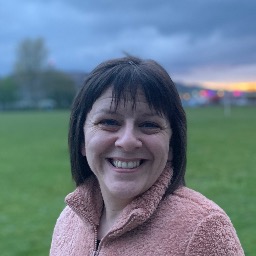
About Paula
Paula Otley offers calm, straightforward support for people facing stress, loss and difficult life changes. She meets each person as they are and works alongside them to untangle painful patterns and find clearer ways forward. Paula draws on 16 years of helping people through grief and life transitions.
Paula trained as an integrative counsellor with a focus on person-centred and psychodynamic work. She is MBACP accredited, which means she is registered with the British Association for Counselling and Psychotherapy. In 2020 she added cognitive behavioural therapy, which she uses alongside other approaches when it suits the person.
Her experience includes work in GP practices, the NHS, charities, community counselling services, private practice and employee assistance programmes. Many of her early years were spent as a bereavement support volunteer, sitting with people during very hard times and learning to hold steady with them.
In sessions Paula aims to build a reliable working relationship first. From there she helps people talk through loss, anxiety, relationship and codependency concerns, low self-esteem, addictions and other stresses. The focus is on practical steps and clearer ways of responding to difficult feelings.
Paula’s style is warm and relational. She combines listening with gentle challenge and practical tools when needed. Whatever the specific issue, she works collaboratively so people leave feeling more able to cope and make choices that reflect their values.
How her approaches work online
Paula combines person-centred care with psychodynamic thinking and cognitive behavioural techniques. Person-centred work focuses on listening and building a trusting relationship so people feel heard and understood; it helps with low self-esteem, life choices and relationship worries. Psychodynamic work looks at patterns that repeat across relationships and time, helping people see where old hurts influence current behaviour. Cognitive behavioural techniques break problems into thoughts, feelings and actions and teach practical tools for managing anxiety, sleep or unhelpful thinking. Finding the right approach is part of the work. Paula will discuss goals and preferences and together decide which mix of listening, exploring patterns or practical skills fits best. The plan can change as needs evolve and sessions move at the client’s pace. Confirm the available session formats before booking as the biography does not list specific formats. Online therapy can make it easier to fit sessions around daily life by removing travel time and allowing check-ins from different locations. It can also suit people who prefer shorter audio conversations or a video meeting for deeper emotional work; Paula will help choose what fits each person’s situation and goals.Areas of expertise
Primary focus
Also works with
Additional focus areas
Therapeutic approaches
Experience
16+ years
Credentials
Listed on profile
Languages
English
Frequently asked questions
What kinds of problems does she help with?
She supports people with stress, anxiety, grief, low self-esteem and relationship concerns, including codependency and intimacy-related issues.
How would you describe her therapeutic style?
Her approach is relational and warm, combining person-centred listening with psychodynamic thinking and practical CBT techniques when useful.
How much experience does she have?
She has 16 years of experience, including long work as a bereavement support volunteer and roles in NHS, GP practices, charities and private practice.
What are her credentials and where is she based?
She is MBACP accredited and holds NCPS, and she practises in the United Kingdom.
Can sessions be held in languages other than English?
Sessions are offered in English.
Does she accept clients from other countries?
She accepts international clients.
How are fees handled?
Cost varies with location and therapist availability; sessions use a subscription that can be cancelled at any time.
How do I begin working with her?
Select the Start Therapy button, complete a short matching questionnaire, and schedule according to therapist availability.
Profile details come from information the therapist supplied to BetterHelp. Credential and registration rules differ between the United States, the United Kingdom and Australia.