- Client-centered listening
- Practical coping tools
- Focus on relationships
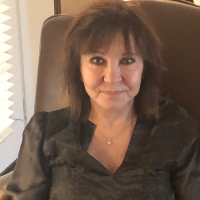
About Phyllis
Phyllis Houston is a Licensed Professional Counselor (LPC) with 26 years of experience. She helps people facing stress, anxiety, depression, grief, relationship and intimacy concerns, and codependency-related patterns. She also supports those coping with parenting strain, caregiver stress, trauma and abuse, career transitions, and compassion fatigue.
Her approach is conversational and practical. Sessions focus on understanding what matters now and finding steps that fit daily life. She combines client-centered listening with tools from cognitive behavioral ideas and emotionally-focused work to help people shift patterns that cause pain.
Phyllis draws on a long track record working with people from many backgrounds. She aims to help clients clarify goals, make clearer choices, and reduce overwhelming feelings. She encourages small, doable changes and checks progress each session.
In therapy she offers a space to talk through painful experiences and to practice new ways of responding. She helps clients weigh options, set boundaries, and rebuild emotional connection when that is a goal. Over time she supports people as they try new approaches and adjust plans that do not work.
For someone looking for steady support and practical strategies, Phyllis brings experience, plain language, and a focus on real-life changes. To begin, readers should confirm current session options before booking.
How her methods translate to online therapy
Client-Centered Therapy focuses on listening and reflecting back what matters most to the client. In practice this means the therapist helps people name their priorities and supports them as they make choices that match those priorities. Cognitive Behavioral Therapy, or CBT, looks at patterns of thinking and behavior and offers practical exercises to change them. It is often used for anxiety, depression, and stress by breaking problems into manageable steps. Emotionally-Focused Therapy emphasizes understanding and reshaping emotional responses in relationships, helping people notice feelings and try new ways of connecting.Finding the right approach is part of the work. Phyllis will discuss goals and preferences and together decide which methods to try first. That collaborative process helps tailor each session to what feels most useful for the person in front of her.
Confirm current session formats before booking, as specific online options are not listed in the biography. Online sessions can make it easier to fit therapy into a busy day, cut down travel time, and allow shorter check-ins when schedules are tight. They also let people meet with licensed professionals from different locations while still keeping therapy focused on practical change and emotional work.
Areas of expertise
Primary focus
Also works with
Additional focus areas
Therapeutic approaches
Experience
26+ years
Credentials
Mississippi
Languages
English
Frequently asked questions
What concerns does Phyllis address?
She supports people dealing with stress, anxiety, depression, grief, relationship and intimacy issues, and codependency. Additional focuses include parenting strain, caregiver stress, trauma and abuse, career changes, and compassion fatigue.
What is her therapeutic style like?
Her style is conversational and insight-oriented. She combines client-centered listening with practical techniques to help people make changes that fit their daily life.
How much experience does she have?
She has 26 years of counseling experience working with people from diverse backgrounds.
What credentials and where is she located?
She holds the LPC credential and practices in Mississippi.
Which languages are supported?
Sessions are offered in English.
Can international clients work with her?
She does not accept international clients at this time.
How does billing and cost work?
Cost varies with location and therapist availability; sessions use a subscription that can be canceled at any time.
How do I get started with therapy?
Click the Start Therapy button, complete a short matching questionnaire, and schedule according to therapist availability.
Profile details come from information the therapist supplied to BetterHelp. Credential and registration rules differ between the United States, the United Kingdom and Australia.