- Practical skills
- Warm and direct
- Focus on boundaries
About Rachael
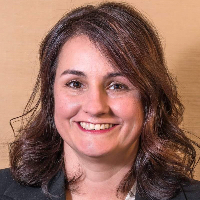
Rachael McKinnon is a Licensed Master’s Social Worker with 14 years of clinical experience in Michigan. She focuses on helping people who feel overwhelmed by stress, anxiety, depression, addiction, relationship struggles, grief, and codependency. Her aim is to help clients feel more capable and more like themselves again.
She keeps the room warm and nonjudgmental. Sessions are collaborative and practical. She uses clear skills and tools so clients can try things between meetings and notice small changes over time.
Rachael combines several evidence-informed methods to match each person’s needs. She draws on Acceptance and Commitment Therapy, Cognitive Behavioral Therapy, Dialectical Behavior Therapy, Client-Centered Therapy, and mindfulness practices. Those approaches are used to address mood changes, trauma effects, sleep problems, anger, and self-esteem challenges.
Her work often focuses on patterns that get in the way - for example codependency, control issues, communication problems, and commitment concerns. She also supports people dealing with chronic illness, caregiver stress, and substance use challenges. The practical emphasis is on learning coping skills, improving boundaries, and building routines that support well-being.
Rachael’s style is encouraging and interactive. She helps people set realistic goals and notice progress. To begin, people use the Start Therapy flow to match and schedule sessions according to the therapist’s posted availability.
How therapy approaches shape online care
Acceptance and Commitment Therapy (ACT) helps people notice painful thoughts without getting stuck in them and pick actions that match their values. It can help when stress, depression, or relationship worries make decision-making harder. Cognitive Behavioral Therapy (CBT) focuses on identifying unhelpful thinking and changing behaviors that keep problems like anxiety and sleep trouble going. It uses clear exercises and homework to build new habits.Finding the right approach is part of the work. The therapist will listen to your goals and try methods that fit your needs and preferences. You and the therapist make adjustments together as you learn what helps most for your situation.
Session formats are not specified here, so please confirm current options before booking. Many people find online therapy useful for squeezing sessions into a busy life, keeping momentum between appointments, and practicing skills in real time. It can make scheduling evening or weekend check-ins easier and reduce travel time, letting therapy fit a work or caregiving routine. Therapists and licensed professionals will discuss which approach and session setup suit your goals.
Areas of expertise
Primary focus
Also works with
Additional focus areas
Therapeutic approaches
Experience
14+ years
Credentials
Michigan
Languages
English
Frequently asked questions
What kinds of concerns does she address?
She helps with stress, anxiety, depression, grief, trauma and abuse, codependency, addictions, relationship and communication problems, and related issues.
What is her therapy style like?
Her style is warm, collaborative, and skills-focused. Sessions emphasize practical steps you can use between meetings.
How much clinical experience does she have?
She has 14 years of clinical experience providing psychotherapy in Michigan.
What credentials does she hold and where is she based?
She is a Licensed Master’s Social Worker - LMSW - practicing in Michigan.
Which languages are supported in sessions?
Sessions are offered in English.
Can international clients work with her?
International clients are not currently accepted.
How are sessions priced?
Cost varies with location and therapist availability; sessions use a subscription that can be canceled at any time.
How do I get started with therapy?
Click the Start Therapy button, complete a short matching questionnaire, and schedule sessions according to the therapist’s posted availability.
Profile details come from information the therapist supplied to BetterHelp. Credential and registration rules differ between the United States, the United Kingdom and Australia.