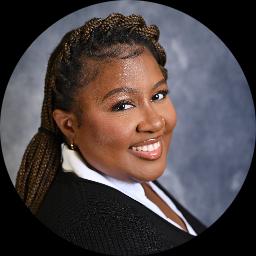
- collaborative approach
- focus on relationships
- skills and insight
About Rachel
Rachel Roberts is a Licensed Professional Counselor (LPC) based in Texas with ten years of clinical experience. She aims to make therapy a warm, nonjudgmental place where people can bring their whole selves and figure things out at their own pace.
Rachel has worked in many settings, including intensive outpatient DBT programs, a medication-assisted treatment clinic, a university counseling center, and outpatient and residential programs. Those roles exposed her to a wide range of struggles and taught her that one approach does not fit everyone.
Her background includes hands-on work with trauma, relationship challenges, grief, family-of-origin issues, mood concerns, and substance use. She draws on multiple methods when helping someone who feels stuck or overwhelmed by repeated patterns.
Rachel uses tools from Cognitive Behavioral Therapy and Dialectical Behavior Therapy, along with Mindfulness Therapy, Motivational Interviewing, and Imago Relationship Therapy. She adapts techniques to meet each person where they are and focuses on practical steps that can be used between sessions.
People who come to Rachel often want help with anxiety, depression, addictions, codependency, attachment or commitment concerns, and communication problems. Her approach is collaborative and culturally aware, and she works with adults, adolescents, and children as noted in her background.
How therapy approaches translate to online work
Rachel integrates Cognitive Behavioral Therapy and Dialectical Behavior Therapy into online work. CBT focuses on identifying unhelpful thoughts and testing them with practical experiments, which can help with anxiety, depression, and mood problems. DBT teaches emotion regulation, distress tolerance, and interpersonal skills, useful for intense emotions, relationship patterns, and impulsive behaviors.Choosing the right approach is part of the process. Rachel collaborates with each person to decide which methods fit their needs and goals, and she adjusts the plan as progress is made. The work is intended to be flexible and responsive to life circumstances.
Session formats are not listed explicitly here, so confirm current options before booking. Online therapy can make it easier to fit sessions into a busy week, shorten travel time, and allow for check-ins that focus on skill practice or brief problem solving. It also can let people use therapy tools in the context of their everyday routines while working toward clearer patterns and healthier relationships.
Areas of expertise
Primary focus
Also works with
Additional focus areas
Therapeutic approaches
Experience
10+ years
Credentials
Texas, Oklahoma
Languages
English
Frequently asked questions
What kinds of concerns does Rachel address?
She works with stress, anxiety, depression, addictions, relationship and family concerns, trauma and abuse, grief, intimacy and self-esteem issues, and related challenges such as codependency and attachment problems.
What is her general therapy style?
Her style is collaborative and practical. Sessions typically combine skill-based work and conversational exploration to help people try new ways of coping between meetings.
How much clinical experience does she have?
Rachel has ten years of experience in a mix of settings, including DBT programs, medication-assisted treatment, university counseling, and residential care.
What are her credentials and where is she located?
She is a Licensed Professional Counselor (LPC) holding Texas and Oklahoma LPC credentials and practices in Texas.
Which languages are supported for sessions?
Sessions are offered in English.
Can people outside the United States work with her?
International clients are not currently accepted.
How are costs handled for sessions?
Cost varies with location and therapist availability; sessions use a subscription that can be canceled at any time.
What should I do to begin working together?
Use the Start Therapy button, complete a short matching questionnaire, and schedule a session according to therapist availability.
Profile details come from information the therapist supplied to BetterHelp. Credential and registration rules differ between the United States, the United Kingdom and Australia.