- Addiction and trauma
- Relationship work
- Practical feedback
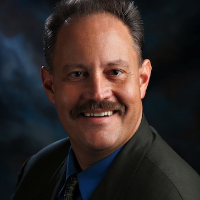
About Robert
Dr. Robert Hanser is a licensed professional counselor who helps people facing relationship strain, addiction, trauma, and questions about purpose. He brings 25 years of clinical experience and a straightforward style aimed at practical change. Many seek him out for issues such as anxiety, grief, anger, codependency, and mood disorders.
His work begins by listening closely to what each person says they want. He uses reflective, person-centered listening and then adds more direct feedback when useful. Sessions focus on clear options and concrete steps clients can try between meetings.
Dr. Hanser uses a mix of methods to match individual needs. That can include cognitive-behavioral techniques to change unhelpful patterns, emotionally focused work to address relationship pain, or EMDR when trauma memories are a barrier. He adapts the approach to the goals a person brings to therapy.
He emphasizes practical outcomes like better coping skills, clearer boundaries, and improved decision-making. He also helps people who feel stuck in life find renewed direction and meaning. The emphasis is on collaboration and doable strategies.
Dr. Hanser holds an LPC credential and practices in Louisiana, with experience across a wide range of life and mental health concerns. He aims to offer nonjudgmental care and concrete feedback so people can move forward toward the life they want.
How these approaches translate to online therapy
Client-centered therapy emphasizes listening and reflecting back what a person says to build understanding and trust; online sessions can use that same careful listening to help people clarify goals and feel heard. Cognitive Behavioral Therapy, or CBT, focuses on spotting unhelpful thoughts and trying new behaviors; online meetings often include practical exercises and homework to practice between sessions. Emotionally-Focused Therapy concentrates on emotions in relationship patterns and helps people name and shift painful interaction cycles that affect closeness and trust.Choosing the right approach is part of the work. The therapist will discuss what feels most useful and adjust techniques based on a person’s needs, goals, and preferences. That collaborative process helps shape a plan that fits the individual rather than forcing a single method.
The practical advantages of online therapy include fitting sessions into a busy schedule and keeping momentum between appointments. Online work can make it easier to attend from different locations, reduce travel time, and allow for shorter check-ins when needed. Because session formats were not specified in the biography, confirm which online or in-person options are offered before booking so arrangements match your needs.
Areas of expertise
Primary focus
Also works with
Additional focus areas
Therapeutic approaches
Experience
25+ years
Credentials
Louisiana, Texas
Languages
English
Frequently asked questions
What concerns does Dr. Hanser address?
He works with issues such as addictions, relationship strain, trauma and abuse, codependency, anxiety, depression, grief, anger, and stress.
What is his general therapy style?
He starts with person-centered listening and adds direct, practical feedback as needed, tailoring sessions to each person’s goals.
How much clinical experience does he have?
He brings 25 years of experience working with a broad range of concerns including substance abuse, family violence, and veteran issues.
What credentials and region apply to his practice?
He holds an LPC credential and practices in Louisiana, with licensure also noted in Texas.
Which languages are supported for sessions?
Sessions are offered in English, and he does accept international clients.
What session formats are available?
The original biography does not specify session formats; please confirm current session options before booking.
How are fees handled?
Cost varies with location and therapist availability, and sessions use a subscription that can be canceled at any time.
How do I begin working with him?
Select the Start Therapy button, complete the short matching questionnaire, and schedule according to the therapist’s availability.
Profile details come from information the therapist supplied to BetterHelp. Credential and registration rules differ between the United States, the United Kingdom and Australia.