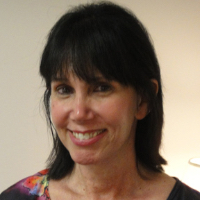
- Experienced LCSW
- Practical coping skills
- Focus on codependency
About Ronnie
Ronnie Mitchell is a Licensed Clinical Social Worker (LCSW) with three decades of clinical experience. She greets people with straightforward empathy and helps them take practical steps toward feeling steadier. Ronnie emphasizes self-direction, teaching skills that reduce emotional reactivity and increase daily calm.
She draws from a mix of approaches and tailors sessions to each person’s needs. Conversations connect past experiences with present patterns so clients can shift how they respond today. Sessions focus on building insight, improving self-esteem, and learning coping tools that work in real life.
Ronnie’s background includes long experience on a psychiatric unit in a medical hospital and years in private practice. That history informs her work with complex emotional concerns such as trauma, mood disorders, addictions, and codependency. Her style blends clinical knowledge with plainspoken guidance.
In therapy, she asks clients to take an active role in change. Together they identify patterns, practice new skills, and test ways of handling difficult moments. The aim is not quick fixes but steady progress toward more reliable emotional balance.
People come to Ronnie for relief from anxiety, depression, relationship struggles, grief, and stress related to caregiving or life transitions. She also supports those coping with ADHD, bipolar symptoms, body-image problems, and intimacy-related issues. Her work often focuses on helping people reclaim a sense of agency and hope.
How key approaches shape online work
Attachment-Based Therapy focuses on how early relationships shape emotional responses. Ronnie uses it to help people understand connection patterns and to change how they relate to others in the present. Cognitive Behavioral Therapy (CBT) breaks down thoughts, feelings, and actions into manageable parts. It helps people test unhelpful thoughts and try new behaviors to reduce anxiety and depression.Finding the right approach is part of the work together. Ronnie will talk with each person about their goals and preferences, and then suggest methods to try. Sessions become a team effort where methods are adjusted based on what helps most.
The practical benefits of online therapy include fitting sessions into a busy life and reducing travel time. Online options can make it easier to keep a regular schedule around work, caregiving, or medical appointments. Confirm the specific session formats available before booking so you know how sessions will be delivered.
Areas of expertise
Primary focus
Also works with
Additional focus areas
Therapeutic approaches
Experience
30+ years
Credentials
Florida
Languages
English
Frequently asked questions
What concerns does Ronnie commonly address?
She helps people with stress, anxiety, depression, trauma and abuse, bipolar symptoms, addictions, grief, and relationship or intimacy issues.
What is her therapy style like?
Her style is collaborative and straightforward, mixing insight work with practical skill building to improve everyday functioning.
How much clinical experience does she have?
She brings 30 years of clinical experience, including time working on a psychiatric unit and in private practice.
Where is she licensed and based?
Ronnie holds an LCSW license in Florida and practices from that state.
In which languages are sessions offered?
Sessions are offered in English, and she accepts international clients.
What session formats are available?
The original biography did not list specific session formats; please confirm current session options before booking.
How are fees handled?
Costs vary with location and therapist arrangements; sessions use a subscription that can be canceled at any time.
How do I begin working together?
Start by selecting the Start Therapy button, complete a short matching questionnaire, and then schedule according to the therapist's availability.
Profile details come from information the therapist supplied to BetterHelp. Credential and registration rules differ between the United States, the United Kingdom and Australia.