- Goal focused
- Practical strategies
- Collaborative approach
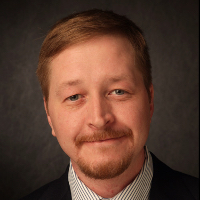
About Ryan
Ryan Suhr is a Licensed Mental Health Counselor (LMHC) and Licensed Independent Mental Health Practitioner (LIMHP) practicing in Nebraska. He has ten years of experience helping people set and reach personal and relational goals. He approaches therapy as a place to clarify values, work through life changes, and build practical skills for everyday challenges.
He uses straightforward conversation to help people identify what matters to them. Sessions focus on clear goals and small steps that lead to change. He draws on his background in philosophy, psychology, religion, and linguistics to look at problems from different angles.
People come to him for anxiety, depression, stress, grief, addictions, codependency, and intimacy-related concerns. He also supports those facing parenting strain, career shifts, and the effects of trauma and abuse. He frames problems as things to be understood and addressed, not as fixed labels.
In sessions he emphasizes listening, practical suggestions, and collaborative planning. He blends approaches that match each person’s needs rather than using a single method for everyone. The work aims to increase clarity, confidence, and everyday functioning.
Ryan has spent a decade in clinical work and has experience across a wide age range. He welcomes questions about how his style fits a person’s goals before scheduling a first appointment.
Approaches that guide online sessions
Attachment-Based Therapy looks at how early relationships influence current patterns. It helps people recognize attachment needs and shift how they relate to others and to themselves. Client-Centered Therapy centers on the person's experience. The therapist listens deeply and helps the client find their own solutions and values. Cognitive Behavioral Therapy (CBT) teaches practical techniques to change unhelpful thoughts and behaviors and is useful for anxiety, depression, and stress.Finding the right approach is part of the work. The therapist will talk with each person about goals, preferences, and what feels most useful. Together they adapt methods and try different ways of working until a good fit emerges.
Specific session formats were not listed in the biography, so confirm current options before booking. Online work can make it easier to fit therapy into a busy life - it can reduce travel time, allow shorter check-ins during a workday, and let people continue care when they move or travel. Licensed professionals can use the same therapeutic approaches online that they use in person, adapting exercises and conversations so they work well on screen or over the phone.
Areas of expertise
Primary focus
Also works with
Additional focus areas
Therapeutic approaches
Experience
10+ years
Credentials
Nebraska, Nebraska, Washington
Languages
English
Frequently asked questions
What kinds of concerns can Ryan help with?
He supports people with stress, anxiety, depression, addictions, grief, codependency, intimacy issues, and related life changes.
How would you describe his therapeutic style?
He works in a direct, conversational way that focuses on goals and practical steps. Sessions combine listening with strategies tailored to each person's needs.
What background does he bring to therapy?
Ryan has ten years of clinical experience and undergraduate and graduate study in philosophy, psychology, religion, and linguistics.
What credentials and location are on file?
He is listed as LMHC and LIMHP, with licensure in Nebraska.
Which languages are sessions offered in?
Sessions are offered in English, and international clients are accepted.
What formats are available for sessions?
Session formats were not specified in the biography; please confirm current session options before booking.
How is cost handled for sessions?
Cost varies with location and therapist arrangements; sessions use a subscription that can be canceled at any time.
What should I do to begin therapy?
Select the Start Therapy button, complete a short matching questionnaire, and schedule according to the therapist's availability.
Profile details come from information the therapist supplied to BetterHelp. Credential and registration rules differ between the United States, the United Kingdom and Australia.