- Strengths-based support
- Practical tools
- Relational approach
About Shari
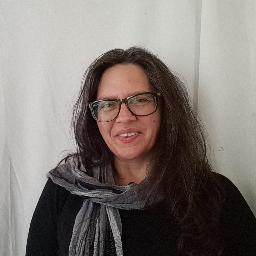
Shari Peterson is a licensed independent clinical social worker with more than 20 years in mental health care. She has worked in community mental health, school settings, and outpatient programs. Shari has spent several years providing direct therapy to individuals facing a range of struggles including depression, anxiety, substance use, and ADHD.
Shari approaches therapy in a warm, authentic, and relational way. She centers conversations on each person's strengths and keeps the work focused on what matters to them. Sessions are collaborative and paced to match a person's goals and readiness.
Her background includes helping people who have experienced complex trauma, abuse, and domestic violence. She also supports concerns around relationships, codependency, attachment, body image, and chronic illness. Shari works with issues such as anger, sleep problems, eating-related concerns, and co-occurring conditions.
Clinically she draws on client-centered methods, cognitive behavioral techniques, mindfulness, motivational interviewing, the Gottman Method, and narrative ideas. She uses these tools to help people notice unhelpful patterns, try different ways of coping, and strengthen what already works.
Shari practices in Minnesota and provides care in English. Her style is practical and supportive - she listens, offers clear options, and adjusts the work as needs change.
How her approaches translate to online therapy
Client-centered therapy focuses on listening and building a trusting relationship. It helps people feel heard and supported while they name goals and decide what to change. Cognitive behavioral therapy (CBT) looks at patterns of thought and behavior and offers concrete skills to reduce anxiety, manage mood, and change habits. Mindfulness therapy teaches simple awareness and grounding exercises that reduce stress and improve focus.Choosing the right approach is part of the work together. The therapist will talk with the client about needs, goals, and preferences and then recommend ways to combine methods. That collaborative planning helps tailor sessions so they match what the person wants to accomplish.
Confirm current session options before booking so you know which online formats are offered. Online work can make it easier to fit therapy into a busy day, allow shorter check-ins when needed, and avoid travel time. It also lets people practice skills in the settings where challenges happen and return to sessions without rearranging their schedule.
Areas of expertise
Primary focus
Also works with
Additional focus areas
Therapeutic approaches
Experience
20+ years
Credentials
Minnesota
Languages
English
Frequently asked questions
What kinds of concerns does Shari address?
She helps people with stress, anxiety, depression, addictions, trauma and abuse, ADHD, relationship and family issues, eating and sleeping problems, anger, self-esteem, bipolar concerns, and related areas including codependency and attachment issues.
What is her therapy style like?
Her approach is warm, relational, and strengths-based. Sessions are collaborative and focused on practical steps that fit each persons goals and pace.
How much experience does she have?
She has worked in mental health for 20 years across community settings, schools, and outpatient programs, with several years focused on individual therapy.
What are her credentials and location?
She is a LICSW licensed in Minnesota and practices in Minnesota.
Which languages are supported?
Sessions are offered in English and international clients are not currently accepted.
What session formats are available?
Confirm current session options before booking so you know which formats are offered for scheduling.
How does cost and billing work?
Cost varies with location and therapist availability; sessions use a subscription that can be canceled at any time.
How do I begin working with her?
Select the Start Therapy button, complete a short matching questionnaire, and schedule according to therapist availability.
Profile details come from information the therapist supplied to BetterHelp. Credential and registration rules differ between the United States, the United Kingdom and Australia.