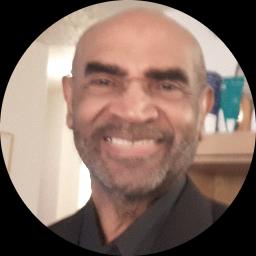
- 40 years experience
- Florida based
- Codependency focus
About Stalburn
Stalburn VanSluytman is a licensed clinical social worker with a long career helping people face stress, addiction, mood challenges, and relationship struggles. He brings practical listening and steady guidance to conversations about anxiety, depression, grief, codependency, and other life transitions. He writes simply and speaks plainly so worried parents can quickly understand what to expect.
He began studying social behavior as an undergraduate at Howard University in the late 1960s and moved into hands-on counseling and case management soon after. Work in substance abuse counseling led him to a Clinical Social Work degree from Adelphi University and in turn into both agency and private practice roles. He later moved to Florida in the 1990s and adjusted his practice to local needs.
Stalburn has combined long experience in direct care with program and training work. He spent the last ten years of his employed career as a mental health therapist for the Florida Department of Corrections before retiring in 2014. He has also trained and supervised master's-level therapists in cognitive behavioral methods.
In retirement he has continued to contribute through part-time quality work at a community mental health center and volunteer roles with hospice and cancer support organizations, though these activities were paused during the COVID pandemic.
His approach draws on psychodynamic ideas along with cognitive behavioral techniques, mindfulness, and motivational interviewing. He aims to help people spot patterns, try small changes, and build coping skills that make daily life easier.
Therapeutic approaches and online care
Stalburn uses cognitive behavioral ideas and mindfulness in his work. Cognitive behavioral therapy focuses on identifying unhelpful thoughts and testing small behavior changes to reduce anxiety, depression, or problematic patterns. Mindfulness therapy teaches simple awareness and breathing practices that can help manage stress and strong emotions.He also draws on motivational interviewing to help people clarify what matters to them and find internal motivation for change. These methods are used together in a collaborative way so the therapist and client can decide what feels most useful for the goals at hand.
Finding the right approach is part of the process. The therapist works with each person to match methods to needs, goals, and preferences. That collaborative fit helps shape session pace and focus as therapy progresses.
Session formats are not specified in the biography, so confirm current options before booking. In general, online work can make it easier to fit appointments into a busy week, reduce travel time, and allow shorter check-ins when schedules are tight. It can also let people choose quieter surroundings or avoid being on camera when that helps them engage.
Areas of expertise
Primary focus
Also works with
Additional focus areas
Therapeutic approaches
Experience
40+ years
Credentials
Florida
Languages
English
Frequently asked questions
What concerns does he address?
He helps people with stress, anxiety, mood disorders, addictions, grief, codependency, and relationship issues among other concerns.
What is his therapy style like?
He combines psychodynamic listening with active techniques from cognitive behavioral therapy, plus mindfulness and motivational interviewing to support practical change.
How much experience does he have?
He brings 40 years of experience in clinical social work, including agency roles, private practice, training, and work in corrections.
Where is he licensed and located?
He holds an LCSW credential in Florida and practices there.
Which languages are supported?
Sessions are offered in English.
Can international clients work with him?
He does not work with international clients at this time.
How are sessions paid for?
Cost varies with location and therapist availability; sessions use a subscription that can be canceled at any time.
How do I begin therapy?
Select the Start Therapy button, complete the short matching questionnaire, and schedule sessions according to the therapist's availability.
Profile details come from information the therapist supplied to BetterHelp. Credential and registration rules differ between the United States, the United Kingdom and Australia.