- LGBTQ+ affirming care
- Trauma and grief focus
- Practical relationship work
About Stephen
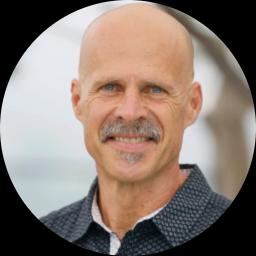
Stephen Fiechter is a licensed clinical social worker (LCSW) practicing in California. He focuses on supporting people in the LGBTQ+ community and those facing major life transitions. He helps with grief, trauma, body image concerns, and sexuality-related questions in a calm, nonjudgmental way.
He keeps sessions focused on practical steps and honest conversation. He encourages people to notice patterns that hold them back and to try small changes that build confidence. His work often centers on attachment issues, shame, isolation, and rebuilding connection with oneself and others.
Stephen also brings attention to life-stage concerns like aging and men's issues. He supports people working through family of origin wounds, commitment questions, and challenges around intimacy. He offers space to talk about kink, BDSM, and alternative sexual cultures in a straightforward way.
Codependency and related relationship habits are part of his practice when they are relevant to a person’s goals. He helps people identify reactive patterns, set clearer boundaries, and practice healthier ways of relating. Sessions aim to be steady and practical rather than rushed.
Over five years as an LCSW, he has worked with people on healing from trauma, coping with life changes, and finding purpose. Stephen’s style is affirming and collaborative. He invites clients to set goals that feel meaningful and realistic.
Approaches that guide online work and healing
Stephen uses evidence-based therapeutic techniques that focus on practical change and emotional understanding. One common strand involves working with attachment patterns - noticing how early relationships shape present-day reactions and practicing new ways to feel and relate. This can help with intimacy concerns, shame, and isolation.Another frequent emphasis is trauma-informed care that helps people process past hurts at a pace that feels manageable. That work includes grounding and pacing strategies so memories and emotions feel less overwhelming and daily life becomes easier to manage.
Finding the right approach is part of the work. Stephen will collaborate with each person to pick methods that match their goals, preferences, and the issues they bring. He checks in regularly to adjust focus and pace so therapy stays useful and relevant.
Because session formats are not specified in the biography, confirm current options before booking. Online therapy can make it easier to fit sessions into a busy schedule, reduce travel time, and keep contact consistent during life changes. It also allows for flexible check-ins and shorter appointments when those fit better into a person’s routine.
Areas of expertise
Primary focus
Also works with
Additional focus areas
Experience
5+ years
Credentials
California
Languages
English
Frequently asked questions
What concerns does he commonly address?
He works with LGBT concerns, trauma and abuse, grief, coping with life changes, and intimacy-related issues among other areas like codependency and body image.
How would you describe his therapy style?
His approach is calm and practical, focusing on honest conversation, small behavior changes, and building self-compassion over time.
What is his professional background?
He has five years of clinical experience and practices as a licensed clinical social worker.
Where is he based and licensed?
He is licensed as an LCSW in California and practices from that state.
Which languages are sessions offered in?
Sessions are offered in English.
Can people outside the United States work with him?
He does not accept international clients at this time.
How are sessions billed and what does it cost?
Cost varies by location and therapist availability; sessions use a subscription that can be canceled at any time.
How do I begin working with him?
Click the Start Therapy button, complete a short matching questionnaire, and then schedule according to the therapist's availability.
Profile details come from information the therapist supplied to BetterHelp. Credential and registration rules differ between the United States, the United Kingdom and Australia.