- Client-centered care
- Focus on codependency
- Mindfulness and skills
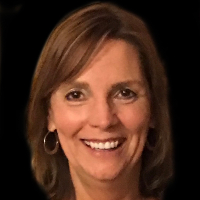
About Susan
Dr. Susan Eaton is a Licensed Professional Counselor (LPC) based in Texas with 28 years of experience. She works with people facing anxiety, depression, addiction, trauma, relationship strain, and codependency concerns. She listens without judgment and helps clients focus on manageable steps forward.
Her approach is practical and people-centered. She blends Acceptance and Commitment Therapy (ACT), client-centered methods, and Cognitive Behavioral Therapy (CBT) to address current problems. Dialectical Behavior Therapy (DBT) and Emotionally-Focused Therapy (EFT) also inform her work when emotion regulation and relationship patterns are central.
Sessions focus on real-life changes. She uses mindfulness, motivational interviewing, and strength-based strategies to build coping skills. The goal is clearer choices, calmer reactions, and better day-to-day functioning rather than labels or neat categories.
She has long experience helping people with co-occurring issues, such as trauma alongside brain injury, grief, or substance challenges. Cultural and spiritual needs are treated with sensitivity. Dr. Eaton emphasizes dignity, respect, and compassion while guiding clients toward the life they want.
To begin, people complete a short matching questionnaire and schedule according to therapist availability. Cost varies by location and uses a subscription that can be canceled at any time. Confirm current session options before booking so the format suits your routine.
How therapy approaches guide online work
Acceptance and Commitment Therapy (ACT) helps people notice painful thoughts without getting stuck in them and then choose actions that match their values. It is useful for anxiety, depression, and codependency concerns. Cognitive Behavioral Therapy (CBT) focuses on identifying unhelpful thinking and testing new behaviors to reduce distress and improve routines. It often helps with sleep, mood, and coping skills. Client-centered therapy prioritizes the person’s own goals and perspective, with the therapist offering empathy and support while clients lead the pace of change.Finding the right approach is part of the work together. The therapist will talk with the client about needs, goals, and preferences and suggest which methods to try. Decisions about techniques are collaborative and can shift as progress is made.
Confirm the session formats available before booking to make sure they fit your life. Online therapy can make it easier to fit appointments into a busy schedule, allow shorter check-ins when needed, and remove travel time. It also lets people use techniques like guided mindfulness or skills practice from wherever they are, making it simpler to apply new habits between sessions.
Areas of expertise
Primary focus
Also works with
Additional focus areas
Therapeutic approaches
Experience
28+ years
Credentials
Texas
Languages
English
Frequently asked questions
What concerns can I bring to sessions?
She works with a wide range of concerns including addictions, trauma and abuse, anger, depression, ADHD, anxiety, grief, intimacy-related issues, and codependency.
What is her style in therapy?
The approach is warm and interactive with a focus on current problems. Sessions often include mindfulness, motivational techniques, and skills practice to manage feelings and behavior.
How much experience does she have?
She has 28 years of professional experience working with people facing trauma, brain injury, mood disorders, and addiction among other challenges.
What credentials and region apply?
She is a Licensed Professional Counselor - LPC - practicing in Texas.
Which languages are supported?
Sessions are offered in English.
Can international clients work with her?
She is not currently accepting international clients.
How are sessions paid for and what do they cost?
Cost varies with location and therapist availability; sessions use a subscription that can be canceled at any time.
What steps are needed to begin?
Select the Start Therapy button, complete a short matching questionnaire, and then schedule according to therapist availability.
Profile details come from information the therapist supplied to BetterHelp. Credential and registration rules differ between the United States, the United Kingdom and Australia.