- Trauma and abuse
- Depression and anxiety
- Mindfulness and CBT
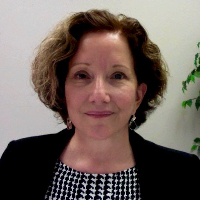
About Susan
Susan Frambes is a licensed clinical social worker (LCSW) in New Jersey with 30 years of experience. She helps people facing depression, anxiety, trauma and abuse, addiction, relationship stress, grief, and struggles with self-esteem. She also supports those dealing with career challenges, life transitions, and intimacy-related issues. Susan lists codependency among her focus areas and helps people address family of origin concerns and communication problems.
Susan works in a straightforward, talk-based way. She listens first and tailors her approach to each person. She uses tried methods to help clients name unhelpful patterns and practice new ways of coping. Her background includes long-term work with adults who have experienced abuse, stalking, domestic violence, and addictive disorders.
In sessions she combines client-centered care with cognitive behavioral and mindfulness techniques. That means she follows where people need to go, helps them notice and change thought patterns, and introduces simple mindfulness tools for stress and anxiety. She also draws on trauma-focused work for people recovering from past harm.
Susan aims to fit therapy into everyday life and makes schedules flexible when possible. She responds to messages regularly and supports people who prefer text communication. Her approach is pragmatic and supportive, focused on small changes that add up over time.
People can expect a steady, experienced clinician who prioritizes practical steps and clear conversation. To begin, clients complete a short matching questionnaire and schedule according to the therapist's availability.
How Susan’s Approaches Work Online
Client-centered therapy focuses on the person in front of the therapist. It involves listening without judgment and helping people find their own solutions, which can help with relationship problems, self-esteem, and life transitions.Cognitive behavioral therapy, or CBT, looks at the link between thoughts, feelings, and actions. It teaches practical skills to spot unhelpful thinking and try new behaviors, useful for anxiety, depression, and coping with stress.
Trauma-focused work concentrates on making sense of past harm and reducing its hold on day-to-day life. It uses careful conversation and skills-building to restore safety and stability for people recovering from abuse or stalking.
Choosing the right approach is a shared process. The therapist will discuss goals, preferences, and what feels manageable. Together they’ll try methods that match the person's needs and adjust as progress is made.
Online therapy can make it easier to fit sessions into a busy life. Confirm current session options before booking, since formats are set by the therapist. Many people find remote sessions reduce travel time, allow shorter check-ins when needed, and make it simpler to schedule around work or family obligations.
Areas of expertise
Primary focus
Also works with
Additional focus areas
Therapeutic approaches
Experience
30+ years
Credentials
New Jersey
Languages
English
Frequently asked questions
What concerns does Susan commonly help with?
She supports people dealing with depression, anxiety, trauma and abuse, addictions, relationship and family issues, grief, and low self-esteem. Codependency and body image are also listed among her focus areas.
How would you describe her therapeutic style?
She practices a talk-based, client-centered style that listens first and adapts to each person's needs. Sessions often include cognitive behavioral techniques and mindfulness exercises to build practical skills.
What kind of experience does she bring?
She has three decades of clinical experience working with adults facing life transitions, addictive disorders, and histories of abuse or stalking.
Where is she licensed and practicing?
She is a licensed clinical social worker - LCSW - licensed in New Jersey and practices with that credential.
Which languages are offered for sessions?
Sessions are offered in English.
What session formats are available?
The original biography describes flexible scheduling and regular message responses, including support for clients who prefer text communication; confirm current session options before booking.
How is payment handled and what does it cost?
Cost varies with location and therapist availability, and sessions use a subscription that can be canceled at any time.
How do I get started with therapy?
Select the Start Therapy button, complete a short matching questionnaire, and schedule sessions based on therapist availability.
Profile details come from information the therapist supplied to BetterHelp. Credential and registration rules differ between the United States, the United Kingdom and Australia.