- Stress and anxiety help
- Relationship clarity
- Self-worth focus
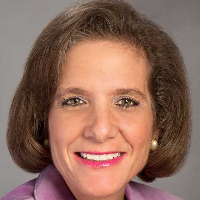
About Susan
Susan Resnik is a licensed mental health counselor with 20 years of experience helping people manage stress, anxiety, depression, grief, and relationship struggles. She also supports parents and those dealing with codependency, commitment issues, and communication problems. Her approach is warm and down-to-earth, aimed at practical changes that make daily life easier.
Susan focuses on helping people build self-love and work through guilt and shame. She guides clients who are sorting out life purpose and navigating transitions common to young adulthood. Sessions emphasize clearer communication and stronger emotional boundaries so people feel more connected to themselves and others.
Her style blends compassion with active, skills-based work. She listens first, then helps people try new ways of thinking and behaving that reduce anxiety and improve relationships. Homework and simple exercises are used when helpful to practice changes between sessions.
Susan draws on several evidence-informed approaches to match what each person needs. She stays practical and collaborative, helping people set small goals that add up to real improvement. Her way of working aims to make therapy understandable and useful from the start.
Based in Florida, Susan offers therapy in English. People who want to begin can use the site’s Start Therapy process to complete a short matching questionnaire and schedule sessions according to her availability.
How specific approaches translate to online work
Acceptance and Commitment Therapy (ACT) helps people notice unhelpful thoughts without getting stuck in them and then choose actions that reflect their values. It can be useful for anxiety, depression, and finding clearer direction in life. Cognitive Behavioral Therapy (CBT) focuses on identifying and changing thought patterns and behaviors that keep problems going, often using practical exercises to reduce anxiety or lift mood. Emotionally-Focused Therapy (EFT) concentrates on emotions and connection, helping people name feelings and improve how they relate to others when trust or closeness is strained.Choosing the right approach is a collaborative process. The therapist will discuss goals, listen to what matters most, and try methods that fit the person’s needs and preferences. Adjustments are made as progress is tracked so the work stays relevant and useful.
If you are considering online therapy, confirm the session options before booking so you know which formats are offered. Many people find online sessions help fit therapy into busy days, reduce travel time, and make it easier to keep regular appointments. Online work also makes it simple to use exercises and homework between meetings so practice can happen in everyday life.
Areas of expertise
Primary focus
Additional focus areas
Therapeutic approaches
Experience
20+ years
Credentials
Florida
Languages
English
Frequently asked questions
What concerns does she support?
Susan works with stress, anxiety, depression, grief, parenting strains, and relationship problems. She also focuses on codependency, commitment worries, communication difficulties, and issues like guilt and shame.
What is her therapeutic style like?
Her style is warm and practical. She listens closely, helps set small goals, and uses simple exercises to practice new skills between sessions.
How long has she been practicing?
She has two decades of clinical experience working with individuals on emotional and relational concerns.
What are her credentials and where is she based?
She holds the LMHC credential and practices in Florida.
Which languages are used in sessions?
Sessions are offered in English.
Can people outside the U.S. work with her?
She does not accept international clients at this time.
How are sessions paid for and what does it cost?
Cost varies with location and therapist availability; sessions use a subscription that can be canceled at any time.
What are the steps to start therapy?
Select the Start Therapy button, complete a short matching questionnaire, and schedule sessions according to the therapist's availability.
Profile details come from information the therapist supplied to BetterHelp. Credential and registration rules differ between the United States, the United Kingdom and Australia.