- Collaborative style
- Addiction experience
- Telehealth practice
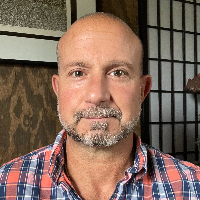
About Timothy
Timothy Welch is a Licensed Professional Clinical Counselor (LPCC) with more than two decades in counseling. He approaches therapy as a shared process and aims to help people move past current struggles so they can pursue the life they want. He writes plainly and works to create a respectful, nonjudgmental space for clients to speak about difficult experiences.
Welch draws on a wide range of clinical experience, including work in private practice, community mental health, crisis intervention, and addiction rehabilitation. He has supported people coping with substance use, depression, anxiety, trauma and grief, as well as life transitions and relationship stress. He also offers coaching services outside his counseling work to provide tools and accountability for change.
Sessions focus on practical skills and clearer thinking, along with attention to emotions and personal meaning. His background includes helping clients manage ADHD, substance concerns, bipolar symptoms, and challenges around parenting, career, and self-esteem. He also addresses attachment and codependency themes when they arise in a person’s story.
He earned a Bachelor of Arts in Psychology from John Carroll University and a Master’s Degree in Counseling and Human Development from Walsh University. Timothy notes that therapy should be collaborative and tailored, and he tries different approaches depending on each person’s needs.
Timothy maintains a telehealth practice serving people in Ohio and accepts international clients. He mentions that insurance may be an option for clients who live in Ohio or Florida, and he offers coaching through a separate platform for those who want additional support between sessions.
How Timothy’s Approaches Translate to Online Work
Client-Centered Therapy focuses on listening, empathy, and following what matters most to the person. In practice this means the therapist reflects concerns, asks what goals feel right, and helps the client set the pace. Cognitive Behavioral Therapy (CBT) looks at how thoughts, feelings, and actions link together and introduces step-by-step strategies to change unhelpful patterns and manage symptoms. Dialectical Behavior Therapy (DBT) adds skills for managing strong emotions, improving distress tolerance, and strengthening relationships through clear behavioral tools.Finding the right approach is collaborative. The therapist will talk with the person about their goals, try methods that fit, and adjust over time. That way the work stays focused on what the client actually wants to change and how they prefer to work toward it.
The profile notes a telehealth practice, so confirm current session formats before booking. Online therapy can make it easier to fit sessions into a busy life, reduce travel time, and allow shorter check-ins when needed. It can also let people work with a licensed professional across state or national lines when that is appropriate. Ask about which formats and scheduling options are available before you schedule to make sure they match your routine and needs.
Areas of expertise
Also works with
Additional focus areas
Therapeutic approaches
Experience
22+ years
Credentials
Ohio
Languages
English
Frequently asked questions
What concerns does Timothy help with?
He works with stress, anxiety, depression, addiction, trauma and grief, as well as relationship and intimacy-related issues. He also addresses ADHD management, self-esteem, and codependency when relevant.
How would you describe his therapeutic approach?
He uses a collaborative, client-centered style and mixes practical skills with emotional work. Techniques often draw from cognitive behavioral and emotion-focused ideas to suit a person’s needs.
What is his experience background?
He has 22 years of counseling experience across private practice, community mental health, crisis intervention, rehab programs, and group work with diverse populations.
What credentials and region are associated with his practice?
He is an LPCC and practices in Ohio. He trained in psychology and counseling at John Carroll University and Walsh University.
Which languages are supported and can international clients connect?
Sessions are offered in English, and he accepts international clients.
What session formats are available?
The biography indicates he maintains a telehealth practice. Please confirm current session formats before booking.
How does cost and payment work?
Cost varies with location and therapist availability; sessions use a subscription that can be canceled at any time. He also notes insurance may be an option for residents of Ohio or Florida.
How do I get started working with him?
Use the Start Therapy button, complete the short matching questionnaire, and schedule according to therapist availability.
Profile details come from information the therapist supplied to BetterHelp. Credential and registration rules differ between the United States, the United Kingdom and Australia.