- Client-centered care
- Skill building focus
- Trauma aware
About Toni
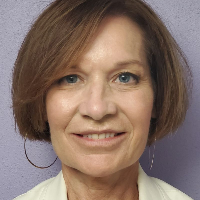
Dr. Toni Morgan-Jones is a licensed psychologist in Wisconsin with 23 years of experience. She works with people facing depression, anxiety, grief, trauma, relationship and intimacy concerns, and codependency. Her style is direct and compassionate, aimed at helping people make small, practical changes that fit everyday life.
She uses client-centered methods that start with listening and understanding each person's story. From there she may use cognitive behavioral techniques to notice and change unhelpful thinking, or dialectical behavior ideas to build coping and emotion regulation skills. Mindfulness and narrative approaches are also part of her toolkit when they suit a person's goals.
Dr. Morgan-Jones has worked in a range of settings, including private outpatient clinics, county mental health services, and integrated programs such as CCS, CST, and CSP. She has experience in both urban and rural communities across Wisconsin, and has supported people dealing with serious and persistent mental illness as well as common life stresses.
Her practice emphasizes practical steps and collaborative planning. Sessions often focus on identifying patterns, building manageable skills, and practicing new ways of relating to self and others. She aims to help people feel steadier and more able to handle life changes.
To start, she asks people to share what matters most to them and what they hope to change. From there she helps craft a plan that fits the person's situation and preferences.
How her approaches translate to online care
Client-centered therapy focuses on understanding a person's experience by listening and reflecting. Online sessions using this approach still center the person's priorities and aim to build trust and clear goals. Cognitive Behavioral Therapy, or CBT, helps people spot patterns of thinking and behavior and practice small changes. In an online format CBT can include homework, thought records, and step-by-step skill practice. Dialectical Behavior Therapy, or DBT, teaches emotion regulation, distress tolerance, and interpersonal skills. Those skills can be taught and practiced in sessions and reinforced between meetings.Finding the right fit is part of the work. The therapist will collaborate with each person to choose which approaches to try based on their needs, goals, and preferences. That choice can shift over time as progress and challenges become clearer.
Session formats are not specified in the biography, so confirm current session options before booking. In general, online care can make it easier to fit therapy into a busy schedule, reduce travel time, and allow quicker check-ins on skill practice. It also lets people try approaches like CBT and DBT exercises from wherever they are, which can help apply skills to everyday situations.
Areas of expertise
Primary focus
Also works with
Additional focus areas
Therapeutic approaches
Experience
23+ years
Credentials
Wisconsin
Languages
English
Frequently asked questions
What kinds of concerns does she address?
She helps people with depression, anxiety, trauma, grief, relationship and intimacy challenges, stress, and codependency among other concerns.
What is her therapeutic approach like?
The approach begins with listening closely to each person's story. She combines client-centered work with cognitive behavioral and dialectical behavior ideas to teach practical skills.
How much clinical experience does she have?
She has 23 years of experience working in outpatient clinics, county mental health services, and integrated programs across Wisconsin.
What are her credentials and location?
She is a Wisconsin psychologist licensed as WI Psychologist 2785-057 and practices in Wisconsin.
Which languages are supported?
Sessions are offered in English.
Can people outside the U.S. work with her?
She does not accept international clients at this time.
How does payment and cost work?
Cost varies with location and therapist availability; sessions use a subscription that can be canceled at any time.
How do I begin working with her?
Use the Start Therapy button, complete a short matching questionnaire, and schedule according to therapist availability.
Profile details come from information the therapist supplied to BetterHelp. Credential and registration rules differ between the United States, the United Kingdom and Australia.