
Donald Henderson
LMHCIowa · 9 yrs exp
Faith-informed counselor focused on practical healing
Trauma and abuse · Grief · Anger · Self esteem · +10 more
Read profileTherapist listings are provided by BetterHelp. We will earn a commission at no additional cost to you if you use our links to purchase.
Welcome if you are looking for online therapists who work with people in Iowa. All listed therapists are licensed in Iowa - explore profiles to compare focus areas, approaches, languages and credentials to find a good match.
Iowa · 9 yrs exp
Faith-informed counselor focused on practical healing
Trauma and abuse · Grief · Anger · Self esteem · +10 more
Read profile
Iowa · 15 yrs exp
Direct, practical therapy for life's hard moments
Stress, Anxiety · Addictions · Trauma and abuse · Grief · +11 more
Read profile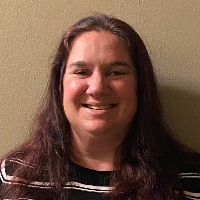
Iowa · 12 yrs exp
A steady, practical approach for life’s hardest moments
Family · Trauma and abuse · Grief · Parenting · +14 more
Read profile
Iowa · 17 yrs exp
Empowering practical change for everyday struggles
Stress, Anxiety · Self esteem · Depression · Coping with life changes · +1 more
Read profile
Iowa · 30 yrs exp
Person-centered counselor with long clinical experience
Stress, Anxiety · Trauma and abuse · Grief · Self esteem · +9 more
Read profile
Iowa · 5 yrs exp
Helpful, practical therapy for life’s challenges
Stress, Anxiety · Family · Trauma and abuse · Parenting · +12 more
Read profile
Iowa · 30 yrs exp
Practical counseling for life changes and stress
Stress, Anxiety · Career · Depression · Coping with life changes · +1 more
Read profile
Iowa · 3 yrs exp
Dedicated, direct support for relationship and impulse concerns
Stress, Anxiety · Relationship · Family · Trauma and abuse · +1 more
Read profile
Iowa · 15 yrs exp
Compassionate LISW helping people reduce overwhelm
Stress, Anxiety · Addictions · Depression · Compassion fatigue
Read profile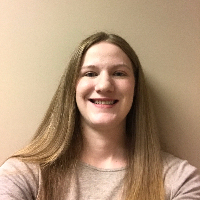
Iowa · 10 yrs exp
Compassionate therapist who helps people find balance
Stress, Anxiety · LGBT · Trauma and abuse · Self esteem · +9 more
Read profile
Iowa · 25 yrs exp
Compassionate social worker focused on practical change
Stress, Anxiety · Relationship · Grief · Self esteem · +7 more
Read profile
Iowa · 9 yrs exp
Grounded support for everyday emotional challenges
Stress, Anxiety · Relationship · Family · Trauma and abuse · +8 more
Read profile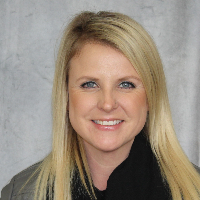
Iowa · 6 yrs exp
Compassionate counselor focused on practical change
Stress, Anxiety · Addictions · Trauma and abuse · Grief · +12 more
Read profile
Iowa · 7 yrs exp
Compassionate counselor for practical growth
Stress, Anxiety · Addictions · Trauma and abuse · Anger · +11 more
Read profile
Iowa · 8 yrs exp
Practical, compassionate counseling for everyday struggles
Stress, Anxiety · Trauma and abuse · Sleeping · Self esteem · +7 more
Read profile
Iowa · 6 yrs exp
Caring counselor for practical recovery
Stress, Anxiety · Relationship · Self esteem · Depression · +8 more
Read profile
Iowa · 25 yrs exp
Helping people regain balance and agency
Stress, Anxiety · Relationship · Trauma and abuse · Self esteem · +12 more
Read profile
Iowa · 15 yrs exp
Compassionate, practical therapy for real life
Stress, Anxiety · LGBT · Relationship · Trauma and abuse · +13 more
Read profile
Iowa · 5 yrs exp
Compassionate, practical therapy for real life
Stress, Anxiety · Relationship · Trauma and abuse · Grief · +12 more
Read profile
Iowa · 14 yrs exp
Practical, goal-focused therapy for life changes
Stress, Anxiety · Addictions · Trauma and abuse · Self esteem · +13 more
Read profile
Iowa · 9 yrs exp
Compassionate counselor helping people rebuild balance
Stress, Anxiety · Trauma and abuse · Grief · Self esteem · +12 more
Read profile
Iowa · 35 yrs exp
Compassionate clinician who blends talk and body awareness
Stress, Anxiety · Trauma and abuse · Grief · Self esteem · +13 more
Read profile
Iowa · 25 yrs exp
Helpful, practical counseling for life transitions
Stress, Anxiety · Relationship · Anger · Depression · +1 more
Read profile
Iowa · 31 yrs exp
Practical, experienced guide through recovery
Addictions · LGBT · Trauma and abuse · Anger · +3 more
Read profileOnline therapy has become a common way for people in Iowa to connect with mental health professionals without the need to travel to an office. Many licensed therapists offer video, phone or messaging options to work with clients who live in different parts of the state. Because state licensing rules generally require a clinician to hold an appropriate Iowa license to provide therapy to someone located in Iowa, the profiles on this site list clinicians who hold state licenses. That makes it simpler for you to find practitioners whose professional standing aligns with Iowa requirements.
While the specifics of telehealth rules and professional practice can evolve, you can expect to find therapists who describe the ways they work online and the populations they serve. Profiles typically include information about clinical focus, the approaches a therapist lists, any languages spoken and professional credentials. This overview will help you understand how online therapy in Iowa can fit into your life and what to look for when browsing profiles.
Online therapy reduces the need for travel, which matters in a largely rural state where distances between towns can be significant. You can meet with a therapist from home, from a workplace break room or another convenient location as long as you have an appropriate, distraction-free space. For people juggling work, family obligations or transportation limits, remote sessions can make it more feasible to maintain a steady course of care.
Beyond convenience, online therapy expands access to clinicians who have specialized focus areas that may not be nearby. If you are seeking help for issues related to codependency, relationship patterns, grief, trauma or life transitions, you may find therapists who list those areas among their specialties even if they are not located in your town. Online services also support continuity, allowing you to keep seeing the same therapist if you move within Iowa or need to travel temporarily.
Therapists who offer online services in Iowa work with a wide range of concerns. Many list relationship patterns and codependency as areas of focus, helping clients explore boundaries, communication, and patterns that affect relationships. Others describe supporting people coping with anxiety, depression, stress from life transitions, grief and the aftereffects of difficult experiences. Some therapists note that they work with couples or families, while others focus on individual healing and personal development.
When you read profiles, you will often see that therapists list specific approaches they use to guide sessions. For example, some clinicians list EMDR among their approaches, others mention experiential or relational methods, and some indicate they work with trauma-informed perspectives. Listing an approach does not imply a particular certification; instead it signals the styles a therapist uses in practice. You can look for narratives in profiles that describe how a clinician applies those approaches to issues similar to yours, and you can ask questions during an initial consultation about how they tailor methods to individual needs.
Verifying a therapist's license helps you feel confident about who you are working with. Start by noting the license type and any license number shown on a therapist's profile. You can then use the relevant Iowa state licensing board's online license lookup tool to confirm that the license is active, that it is listed under the clinician's full name and that the license type matches the services described. If you are unsure which board applies to a practitioner, look for the board that regulates psychologists, the board that oversees social work and counseling professions, or contact the state licensing division for guidance.
When you review a license record, check for the license status, the date of issuance and any public disciplinary information that may appear. If a record raises questions, you can contact the licensing board directly for clarification. You may also review educational background and professional credentials noted on a profile. While a profile may list degrees and credentials, a board lookup will confirm licensure status and any public filings related to professional conduct. Taking these steps gives you a clearer picture before you invest time in a therapeutic relationship.
Starting online therapy begins with narrowing options based on the match factors that matter to you. Consider the therapist's focus areas, the approaches they list, languages spoken and the populations they describe working with. Once you identify a few profiles that feel promising, prepare a short list of questions to ask during an introductory conversation. Typical topics include how the therapist structures sessions, what they see as initial goals, how they approach issues like codependency, and practical matters such as session length and fees or insurance policies.
Before your first session, pick a reliable internet connection and a device with a camera and microphone. Choose a private space where you will be comfortable talking and where interruptions are minimal. If you have concerns about technology, ask the therapist in advance what platform they use and whether a test connection is possible. You may also prepare notes about the issues you want to address, any prior therapy experience and goals you hope to achieve. Being thoughtful about these practical elements helps your sessions start smoothly and use time effectively.
Choosing the right therapist is a personal process that combines practical considerations with how comfortable you feel communicating with a clinician. Pay attention to the clinician's described areas of focus. If codependency or relational patterns are central for you, look for therapists who explicitly mention those topics. Consider the approaches a therapist lists as part of their work style - for example, therapists who list EMDR among their approaches may describe how they use that method for trauma-related concerns. Remember that a listed approach is an indication of the methods they use, not a substitute for a conversation about how they apply those methods to your situation.
Language and cultural fit are important. If you prefer to work with someone who shares your language or cultural background, use profile details to narrow your search. Review a clinician's stated experience with populations similar to yours, and consider questions you might ask about their familiarity with the issues you face. Practical matters such as session length, fee structure or whether they work with particular kinds of insurance can also influence your choice. Trust your instincts after an initial consultation - how heard and understood you feel in early conversations is often a reliable indicator of potential fit. Taking time to compare focus areas, approaches, credentials and experience will help you connect with a clinician who meets your needs in an online setting.
Finding an online therapist in Iowa is a process of matching what you need with what clinicians describe in their profiles. By confirming license status, preparing for a first meeting and asking clear questions about approach and experience, you will be better positioned to begin work on the changes you want to make. Use the listings to explore options, read clinician narratives carefully and choose a path that feels right to you.
Addictions
5230 therapists
Anger
5674 therapists
Control Issues
5753 therapists
Dependent Personality
3656 therapists
Depression
7813 therapists
Domestic Violence
4213 therapists
Grief
6461 therapists
Guilt and Shame
7395 therapists
Intimacy Issues
4691 therapists
Isolation / Loneliness
6843 therapists
Self Esteem
7704 therapists
Stress & Anxiety
8451 therapists
Trauma and Abuse
7152 therapists
Abandonment
5825 therapists
Attachment Issues
5997 therapists
Blended Family Issues
4663 therapists
Caregiver Issues and Stress
5343 therapists
Codependency
8817 therapists
Commitment Issues
5177 therapists
Communication Problems
7506 therapists
Coping with Life Changes
7192 therapists
Divorce
5966 therapists
Family
6461 therapists
Family of Origin Issues
4646 therapists
Forgiveness
6672 therapists
Infidelity
4502 therapists
Jealousy
4512 therapists
Parenting
5313 therapists
Relationship
7447 therapists
Self-Love
7127 therapists