
Tami Labul
LCSWMaine · 20 yrs exp
Experienced LCSW with a practical approach
Stress, Anxiety · Trauma and abuse · Self esteem · Depression · +7 more
Read profileTherapist listings are provided by BetterHelp. We will earn a commission at no additional cost to you if you use our links to purchase.
Welcome - if you are looking for online therapy in Maine, this directory brings together licensed clinicians who list codependency and related work among their focus areas. All therapists shown here hold a Maine license; explore profiles to compare approaches, credentials, languages and experience.
Maine · 20 yrs exp
Experienced LCSW with a practical approach
Stress, Anxiety · Trauma and abuse · Self esteem · Depression · +7 more
Read profile
Maine · 24 yrs exp
Compassionate, practical therapy for life changes
Stress, Anxiety · Relationship · Trauma and abuse · Self esteem · +16 more
Read profile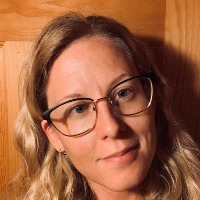
Maine · 9 yrs exp
Compassionate, direct therapy with practical steps
Stress, Anxiety · Family · Trauma and abuse · Parenting · +9 more
Read profile
Maine · 10 yrs exp
Compassionate therapist for life transitions
Stress, Anxiety · Relationship · Family · Grief · +8 more
Read profile
Maine · 4 yrs exp
Compassionate, practical therapy for common struggles
Stress, Anxiety · Relationship · Family · Trauma and abuse · +13 more
Read profile
Maine · 15 yrs exp
Compassionate LCSW helping people rebuild balance
Stress, Anxiety · Relationship · Self esteem · Depression · +11 more
Read profile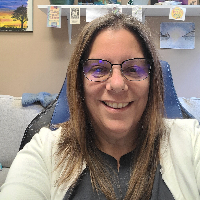
Maine · 3 yrs exp
Thoughtful LCSW focused on relationships
Stress, Anxiety · Family · Trauma and abuse · Depression · +14 more
Read profile
Maine · 17 yrs exp
Practical, steady support for life's struggles
Stress, Anxiety · Family · Self esteem · Depression · +12 more
Read profile
Maine · 8 yrs exp
Practical, client-driven therapy for life challenges
Relationship · Family · Trauma and abuse · Parenting · +10 more
Read profile
Maine · 5 yrs exp
Compassionate LCSW focused on practical change
Stress, Anxiety · Grief · Self esteem · Depression · +12 more
Read profile
Maine · 31 yrs exp
Compassionate social worker guiding practical growth
Stress, Anxiety · LGBT · Relationship · Grief · +16 more
Read profile
Maine · 21 yrs exp
Compassionate counselor guiding practical change
Stress, Anxiety · Addictions · Trauma and abuse · Self esteem · +15 more
Read profile
Maine · 25 yrs exp
Practical, strengths-based support for change
Stress, Anxiety · Family · Trauma and abuse · Depression · +13 more
Read profile
Maine · 4 yrs exp
Compassionate listening with practical tools
Stress, Anxiety · Trauma and abuse · Self esteem · Depression · +11 more
Read profile
Maine · 4 yrs exp
Compassionate support for practical change
Stress, Anxiety · Addictions · Trauma and abuse · Bipolar · +5 more
Read profile
Maine · 21 yrs exp
Practical support for change and stronger relationships
Relationship · Self esteem · Depression · Coping with life changes · +13 more
Read profile
Maine · 26 yrs exp
Calm, experienced therapist focused on personal growth
Stress, Anxiety · Trauma and abuse · Self esteem · Depression · +7 more
Read profile
Maine · 15 yrs exp
Supportive LCSW for life transitions
Stress, Anxiety · Grief · Depression · Coping with life changes · +8 more
Read profile
Maine · 30 yrs exp
Experienced counselor focused on practical change
Stress, Anxiety · Trauma and abuse · Intimacy-related issues · Self esteem · +1 more
Read profile
Maine · 20 yrs exp
Practical, collaborative therapy for life stressors
Stress, Anxiety · Self esteem · Career · Coaching · +1 more
Read profile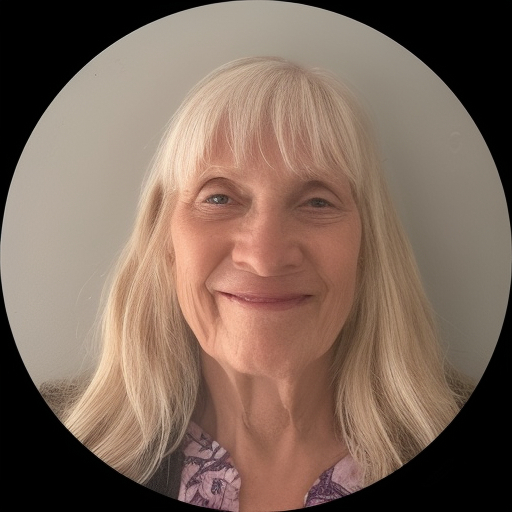
Maine · 5 yrs exp
Practical, strength-focused therapy for everyday struggles
Stress, Anxiety · Anger · Self esteem · Depression · +1 more
Read profileOnline therapy has become a common option for people across Maine, from coastal towns to inland communities. You will find clinicians offering remote sessions in a range of modalities, and the therapists listed here are licensed to practice in Maine. If you live in the state, using a Maine-licensed clinician means you are working with someone who is registered under the state’s professional rules for mental health practice. The technology that supports online sessions is designed to help you connect with a clinician whether you are in Portland, Bangor, Bar Harbor, or a more rural area of the state.
Regulation and practice details evolve, so it helps to know the basic landscape before you begin. Licensing rules, insurance policies, and teletherapy guidelines can change over time. When you review therapist profiles you will see information about credentials, focus areas, listed approaches, and languages spoken. Those profile details are a starting point for understanding who might fit your needs and for forming questions you can ask before scheduling a first session.
Online sessions typically use video or phone formats so you can meet from your home or another comfortable environment. Some clinicians integrate digital tools between sessions for worksheets or brief check-ins. You should expect to discuss policies like session length, fees, and how records are kept during your initial contact. Knowing what to expect in advance helps you get the most out of remote therapy and supports a smoother start.
Online therapy offers practical advantages that can be especially relevant in Maine. Travel distances and weather can make in-person appointments harder to maintain, and remote sessions reduce the need to commute. You also gain access to a wider range of clinicians, which increases the chance of finding someone whose experience, approach, and language match what you want. For many people, meeting from home or another chosen setting makes it easier to fit therapy into a busy schedule and to keep continuity when life or travel interrupts routine.
Another advantage is that online options can make specialized focus areas more reachable. If you want a clinician who lists work with codependency, trauma, relationship patterns, or family-of-origin dynamics among their focus areas, you may find that remote formats let you connect with someone outside your immediate geographic area. Online work can also support ongoing care when life circumstances change, allowing you to keep momentum without resetting progress simply because you moved or had a schedule shift.
You will want to create a setting that helps you engage comfortably. Choose a private space for your session where you can speak openly and limit interruptions. Test your device, camera, and internet connection before your first appointment and have a plan for what to do if the call drops. Thinking ahead about these logistics reduces friction and helps sessions stay focused on your goals.
Online therapists in Maine work with a broad range of issues that often overlap. Many people seek help with codependency and relationship patterns, learning how to set healthy boundaries, and improving communication with partners, family members, or colleagues. Others come for support with anxiety, depression, grief, life transitions, parenting challenges, and stress related to work or caregiving. Clinicians also frequently address trauma histories, substance use concerns, and patterns that recur across relationships.
Approaches vary across clinicians. You will see profiles that mention cognitive approaches, emotion-focused work, family systems perspectives, and somatic-oriented methods. When you notice a modality listed, such as CBT or EMDR, keep in mind that the directory reflects what clinicians say they use; a statement like "therapists who list EMDR among their approaches" indicates an interest in that method but does not by itself confirm specific training or certification. Use that information to guide your questions rather than as definitive proof of expertise.
When you look for a clinician, consider how their stated focus areas align with your priorities. If you are working on codependency, you might prioritize clinicians who describe relational work, boundary-setting, or long-term patterns in relationships. If you are dealing with trauma-related symptoms, you may look for clinicians who mention trauma-informed approaches among their methods. Language and cultural competency also matter; if you prefer to work in a language other than English or want someone who understands your cultural background, search for those indicators in profiles and inquire directly.
Verifying a license is an important step in choosing a clinician. Start by noting the clinician’s full name and the license type shown on their profile. Then use the official resources provided by the state government to confirm licensure status. You can find an online license lookup or verification tool on the Maine government website by searching for the state licensing entity that oversees mental health professions. The lookup tool will typically show whether the license is active, the expiration date, and any disciplinary actions or restrictions.
If an online lookup is not straightforward, you can contact the licensing board by phone or email and ask how to confirm a clinician’s standing. When you speak with a clinician, feel free to request their license number and the board that issued it so you can verify independently. Keep in mind that licensure titles differ - common ones include social work licenses, professional counselor licenses, marriage and family therapy licenses, and psychologist credentials - and the title you see should match the services described on the profile.
When you view a licensing record, look for the license status, the expiration date, and whether there are any public disciplinary notes. A clear record does not guarantee the quality of care but it does confirm that the clinician is authorized to practice under Maine rules. If you have questions about a record, the licensing board can clarify what any notations mean and describe the board’s complaint process.
Begin by clarifying what you want from therapy. You might define short-term goals like learning new coping skills or longer-term aims such as changing relational patterns. With your goals in mind, review clinician profiles and focus on factors you can compare: the clinical focus areas they list, the approaches they describe, relevant credentials, languages they speak, and their years of experience. Those elements will help you narrow the field before you reach out to a few clinicians to ask more specific questions.
Keep realistic expectations about the first few sessions. Many people use the early meetings to assess fit, clarify goals, and decide whether the working relationship feels right. You can ask a clinician how they typically structure sessions, what kinds of tools or homework they use between sessions, and how they measure progress. Ask about fees and whether they provide receipts that you can submit to your insurance for reimbursement when applicable. If insurance coverage is a factor for you, confirm how teletherapy is handled by your plan and whether reimbursement is possible under your policy.
When you narrow your options, pay attention to the personal elements that matter to you. Consider whether you prefer a clinician of a particular gender, age range, or cultural background. Think about the communication style you respond to - more directive or more exploratory - and whether you want a clinician who lists specific modalities among their approaches. Remember that a clinician describing a method is not the same as a certification; it is appropriate to ask about their experience with any approach you find important.
Finally, prepare practically for a first session by choosing a private space for the meeting where you can speak freely, testing your device and connection, and writing down a few priorities or questions you want to cover. Give yourself permission to evaluate fit after a few meetings and to continue searching until you find the right match for your needs. Finding a clinician who feels like a good partner in change can take time, and the remote format can expand your options so that you can make a thoughtful choice that supports your goals.
Addictions
5230 therapists
Anger
5674 therapists
Control Issues
5753 therapists
Dependent Personality
3656 therapists
Depression
7813 therapists
Domestic Violence
4213 therapists
Grief
6461 therapists
Guilt and Shame
7395 therapists
Intimacy Issues
4691 therapists
Isolation / Loneliness
6843 therapists
Self Esteem
7704 therapists
Stress & Anxiety
8451 therapists
Trauma and Abuse
7152 therapists
Abandonment
5825 therapists
Attachment Issues
5997 therapists
Blended Family Issues
4663 therapists
Caregiver Issues and Stress
5343 therapists
Codependency
8817 therapists
Commitment Issues
5177 therapists
Communication Problems
7506 therapists
Coping with Life Changes
7192 therapists
Divorce
5966 therapists
Family
6461 therapists
Family of Origin Issues
4646 therapists
Forgiveness
6672 therapists
Infidelity
4502 therapists
Jealousy
4512 therapists
Parenting
5313 therapists
Relationship
7447 therapists
Self-Love
7127 therapists