
Darice Dodd
LPCGeorgia · 20 yrs exp
Compassionate, practical counseling for life changes
Stress, Anxiety · Addictions · Family · Anger · +13 more
Read profileTherapist listings are provided by BetterHelp. We will earn a commission at no additional cost to you if you use our links to purchase.
Welcome to our directory of online therapists serving Georgia. All therapists listed here are licensed; explore profiles to compare approaches, credentials, languages, and focus areas. Use the site tools to narrow results and learn more about clinicians who support codependency and related concerns.
Georgia · 20 yrs exp
Compassionate, practical counseling for life changes
Stress, Anxiety · Addictions · Family · Anger · +13 more
Read profile
Georgia · 15 yrs exp
Practical, experienced counselor for life challenges
Stress, Anxiety · Grief · Intimacy-related issues · Self esteem · +10 more
Read profile
Georgia · 18 yrs exp
Straightforward counseling for life stressors
Stress, Anxiety · Relationship · Family · Trauma and abuse · +10 more
Read profile
Georgia · 25 yrs exp
Experienced social worker focused on practical growth
Stress, Anxiety · Parenting · Anger · Self esteem · +15 more
Read profile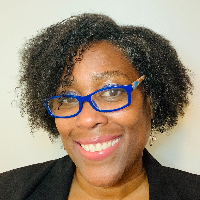
Georgia · 3 yrs exp
Practical counseling for everyday struggles
Stress, Anxiety · Self esteem · Career · Depression · +1 more
Read profile
Georgia · 18 yrs exp
Practical therapy for lasting everyday change
Stress, Anxiety · Trauma and abuse · Self esteem · Depression · +7 more
Read profile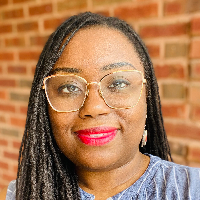
Georgia · 10 yrs exp
Compassionate, practical support for repeated patterns
Stress, Anxiety · Family · Trauma and abuse · Depression · +11 more
Read profile
Georgia · 7 yrs exp
Support for life transitions and connection
Stress, Anxiety · Trauma and abuse · Self esteem · Depression · +10 more
Read profile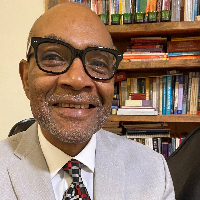
Georgia · 25 yrs exp
Steady, practical counseling for life transitions
Stress, Anxiety · Trauma and abuse · Grief · Self esteem · +13 more
Read profile
Georgia · 30 yrs exp
Trusted Georgia LCSW for relationship concerns
Relationship · Intimacy-related issues · Self esteem · Career · +9 more
Read profile
Georgia · 18 yrs exp
Compassionate counselor who listens and guides
Trauma and abuse · Coaching · Stress, Anxiety · Addictions · +13 more
Read profile
Georgia · 20 yrs exp
Compassionate therapist for life transitions
Stress, Anxiety · Relationship · Career · Depression · +13 more
Read profile
Georgia · 23 yrs exp
Experienced counselor guiding practical change
Stress, Anxiety · Family · Grief · Parenting · +8 more
Read profile
Georgia · 11 yrs exp
Compassionate counselor focused on practical change
Stress, Anxiety · Addictions · Family · Trauma and abuse · +13 more
Read profile
Georgia · 36 yrs exp
Relational therapist focused on practical change
Stress, Anxiety · Addictions · Relationship · Family · +13 more
Read profile
Georgia · 20 yrs exp
Experienced LCSW focused on practical change
Stress, Anxiety · Relationship · Self esteem · Career · +12 more
Read profile
Georgia · 14 yrs exp
Compassionate counselor helping people build healthier patterns
Stress, Anxiety · Relationship · Sleeping · Self esteem · +13 more
Read profile
Georgia · 15 yrs exp
Compassionate counselor for stress and relationships
Stress, Anxiety · Family · Intimacy-related issues · Self esteem · +2 more
Read profile
Georgia · 8 yrs exp
Compassionate counselor guiding practical change
LGBT · Relationship · Trauma and abuse · Self esteem · +14 more
Read profile
Georgia · 8 yrs exp
Compassionate counselor guiding practical change
Stress, Anxiety · Addictions · Trauma and abuse · Grief · +4 more
Read profile
Georgia · 12 yrs exp
Practical support for stress and relationship struggles
Stress, Anxiety · Relationship · Family · Parenting · +1 more
Read profile
Georgia · 7 yrs exp
Practical, compassionate counseling for life challenges
Stress, Anxiety · Addictions · Relationship · Trauma and abuse · +1 more
Read profile
Georgia · 5 yrs exp
Compassionate, practical therapy for everyday challenges
Stress, Anxiety · Relationship · Family · Trauma and abuse · +1 more
Read profile
Georgia · 9 yrs exp
Compassionate counselor for relationship and identity work
LGBT · Relationship · Trauma and abuse · Grief · +1 more
Read profileOnline therapy has become a widely used option for people across Georgia who want to address emotional and relational concerns from home, work, or a nearby location that feels comfortable. Many clinicians list teletherapy among the ways they work, offering sessions by video or phone so you can access help without traveling to an office. If you live in an urban area like Atlanta or in a rural community, online options can expand the number of clinicians whose backgrounds and approaches match what you need.
Licensure matters when it comes to online care. To provide services to a Georgia resident, a clinician typically needs a valid Georgia license that authorizes the practice you are seeking. Some clinicians are licensed in multiple states and may indicate that they practice across state lines. When you look through profiles, you will see listed credentials such as LPC, LCSW, LMFT, PsyD, or PhD; those abbreviations describe the license type and the general professional pathway of each clinician.
Sessions are commonly scheduled for 45 to 60 minutes and use video platforms or telephone. Many clinicians who offer online work also mention administrative details on their profiles, such as fee range, whether they work with specific insurance networks, and what kinds of payment they accept. Technology is relatively simple for most people - a device with a camera and a good internet connection is often enough - but clinicians vary in their tools and preferences, so review profiles for practical notes before you reach out.
Online therapy can make it easier to fit care into a busy life. If you have work, caregiving, or school commitments, the ability to meet virtually can reduce commute time and let you schedule sessions at times that work with your routine. You may also find that online sessions let you connect with therapists who specialize in codependency, relationship struggles, or family dynamics even if those specialists are not nearby.
Another benefit is the broader selection of clinicians who may offer experience with specific cultural, linguistic, or identity-related perspectives that resonate with you. Many profiles indicate the languages clinicians speak and the populations they focus on, which helps you find someone whose background aligns with your needs. For residents in regions of Georgia with fewer in-person options, online therapy can reduce geographic barriers and increase access to clinicians who list relevant approaches and focus areas.
When you choose online sessions, think about where you will participate from and how you will minimize interruptions. Some people set up in a quiet room at home, step into a parked car for greater privacy, or find a personal workspace that feels calm. If you rely on mobile data or have limited bandwidth, test a video call in advance so you know what to expect. Most clinicians provide guidance on the technical side on their profiles, including what platform they use and how to connect.
Online therapists in Georgia address a wide range of concerns. Many clinicians list codependency, relationship conflicts, attachment issues, and communication problems among their focus areas. You will also find therapists who indicate they work with anxiety, depression, grief, life transitions, parenting stress, and trauma-related concerns. Profiles often describe the kinds of relationships people bring to therapy - romantic partnerships, family ties, adult children and parents, and friendships - so you can look for clinicians who emphasize relational work.
Approaches vary and are typically noted on profiles. Some clinicians list cognitive and behavioral methods among their approaches, while others indicate psychodynamic, relational, or integrative frameworks. If you are interested in specific methods, look for language such as "therapists who list EMDR among their approaches" or "therapists who list narrative or somatic methods among their approaches." That phrasing reflects what clinicians report about how they work without implying certification or specific outcomes.
Think about the problem you want to address and how you prefer to work. If you are focused on relationship patterns, you may seek clinicians who emphasize interpersonal and relational approaches. If you want practical strategies to cope with anxiety or daily stress, profiles that mention cognitive-behavioral approaches may be helpful. Many clinicians combine perspectives and tailor sessions to individual needs; reading multiple profiles will give you a sense of how different clinicians frame their work.
Before you begin working with an online therapist, it is wise to check that the clinician holds a current Georgia license in the relevant profession. You can verify a license through the state licensing board's online verification tool by searching the clinician's name or license number. In Georgia, the Composite Board that regulates counselors, social workers, and marriage and family therapists publishes licensure status, expiration dates, and any actions taken on a license. Psychologists are governed by a separate board with its own verification service. These records typically show whether the license is active, the license type, and whether any disciplinary actions have been recorded.
When you view a license record, note the exact credential listed - for example Licensed Professional Counselor, Licensed Clinical Social Worker, Licensed Marriage and Family Therapist, or Psychologist - and the expiration date. If you see any disciplinary history, the board record will usually include details. If you are unsure about a term or entry on the record, the licensing board's website often includes explanations or contact information so you can ask for clarification.
In addition to state licensure, profiles often list a clinician's degrees, areas of study, and years in practice. While educational background can give context about a clinician's path, the most important public record for practice authority is the active state license. If you use insurance, your insurer can also confirm whether a clinician is in-network and whether the license type aligns with coverage requirements.
Starting with an online therapist begins with clarifying what you want to address and what factors matter most in a therapeutic relationship. Consider whether you prefer a therapist who emphasizes relationships and codependency, someone who lists certain clinical approaches, a clinician who shares your cultural background or speaks your language, or a clinician who has experience with life transitions similar to yours. Use the clinic or directory filters to look for those signals on profiles and then read a few biographies to get a sense of tone and priorities.
Reach out to potential clinicians with a brief message that includes what you hope to work on, your preferred session format, and any practical questions about fees, insurance, or technical platforms. When you get a response, many clinicians offer a short initial conversation to discuss fit. During that conversation you can ask about how they typically work with codependency and relationships, what a typical session looks like, and how they describe progress. You may also inquire about session length, cancellation policies, and billing practices. Those administrative details can help you compare profiles without relying on availability data.
Think through a few questions to ask in your first session or intake conversation. You might ask how the clinician describes their approach to relationship patterns, what they find helpful when working with codependency, how they structure individual versus couples sessions if applicable, and how they handle technological issues during online meetings. Prepare a quiet, interruption-free space for sessions and test your device ahead of time. If you use headphones or a headset, they can improve audio clarity and comfort.
Choosing the right therapist often comes down to fit. You should feel heard and understood, and the clinician's way of communicating in initial contacts can be a good indicator of how well you will work together. If a clinician's profile notes languages or cultural competencies that matter to you, that can be an important factor in deciding who to contact. It is normal to speak with more than one clinician before making a decision, and taking the time to review profiles and ask questions will help you find a therapeutic match that feels right for you.
Addictions
5230 therapists
Anger
5674 therapists
Control Issues
5753 therapists
Dependent Personality
3656 therapists
Depression
7813 therapists
Domestic Violence
4213 therapists
Grief
6461 therapists
Guilt and Shame
7395 therapists
Intimacy Issues
4691 therapists
Isolation / Loneliness
6843 therapists
Self Esteem
7704 therapists
Stress & Anxiety
8451 therapists
Trauma and Abuse
7152 therapists
Abandonment
5825 therapists
Attachment Issues
5997 therapists
Blended Family Issues
4663 therapists
Caregiver Issues and Stress
5343 therapists
Codependency
8817 therapists
Commitment Issues
5177 therapists
Communication Problems
7506 therapists
Coping with Life Changes
7192 therapists
Divorce
5966 therapists
Family
6461 therapists
Family of Origin Issues
4646 therapists
Forgiveness
6672 therapists
Infidelity
4502 therapists
Jealousy
4512 therapists
Parenting
5313 therapists
Relationship
7447 therapists
Self-Love
7127 therapists